I’ve not been to Chelsea Flower Show this year, because I am far too busy gardening for clients, but there is still much to report, even though I’m not writing up about an 8am arrival on first Members’ day, as I was last year!
Everything in the garden is racing back into full-speed-ahead mode now it is May!
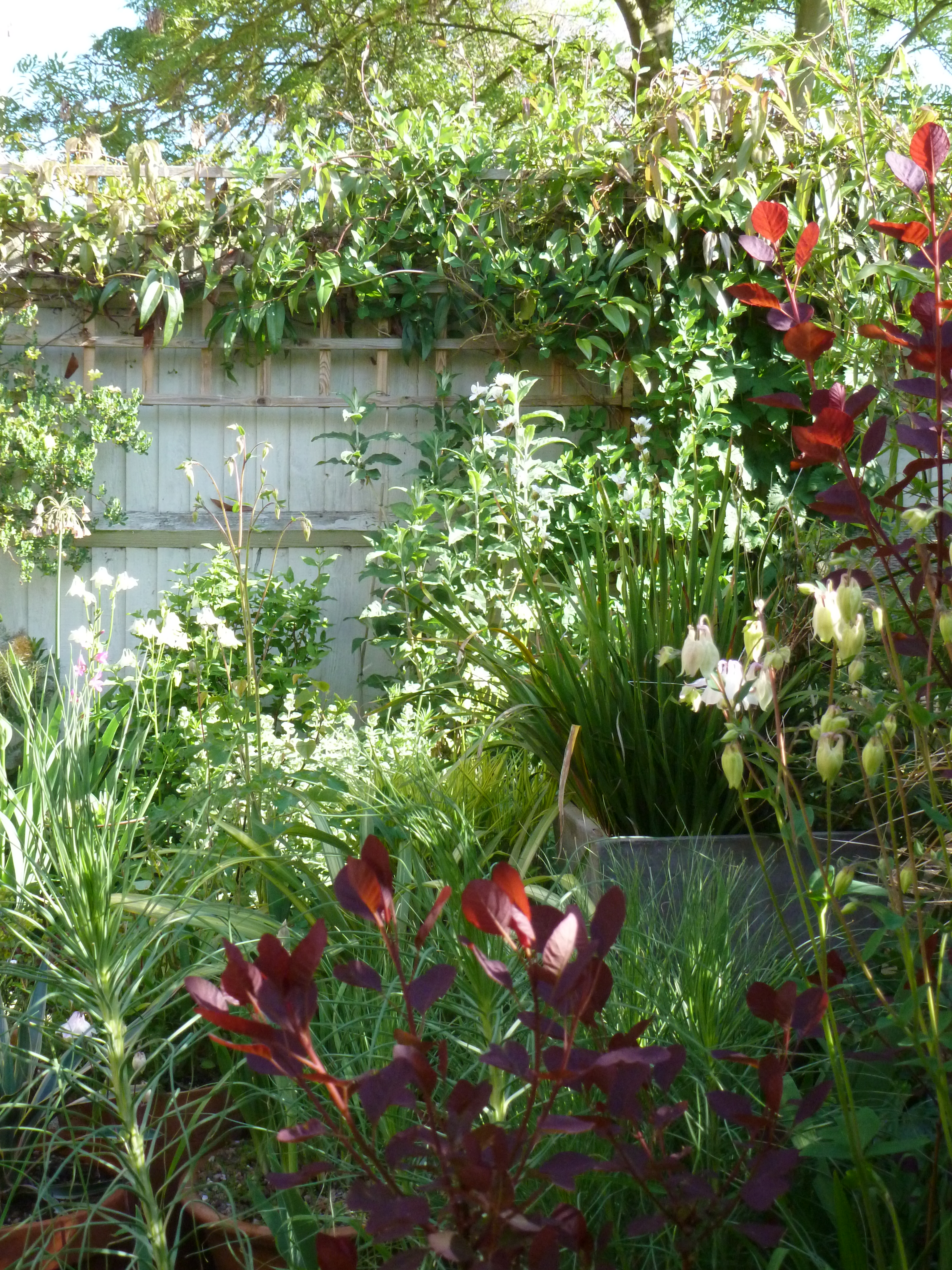
My Libertia has finally flowered after three years of waiting and I have a new Phormium and Yukka, seen here all together in my pot section.
And of course it’s Iris and Aquilegia time of year again – always such a delight…
And finally my dear cat kept digging up all my ferns in my shade bed, so I decided to plant them all in pots, and I am rather pleased with the effect. Happy gardening till next time!
If you are a fan of autumn grasses and leaving all plants to show of their winter skeletons (a new philosophy which has subtley effected many gardeners over the past decade – meaning you leave everything to treasure the effects of shrubs and perennials right through the winter, even in their death-throws!) – then your big moment for clearing up in the garden – in fact the most important of the whole year – is now in early February.
Ornamental grasses in particular follow this pattern – a big cut back in February, lovely new growth in Spring/early Summer – spectacular seed heads in Summer/Autumn, lovely architectural skeletons throughout the winter. This is their month to be dormant waiting to start all over again – and for things like Stipa and Miscanthus a really severe cut back kick-starts them back to life with a vengence. Equally if you want to see all your lovely spring bulbs you necessarily have to finally clear away the now spent detritis before its too late.
So my big cut back was on 3 February. This is the view from my sitting room in August last year in high summer…
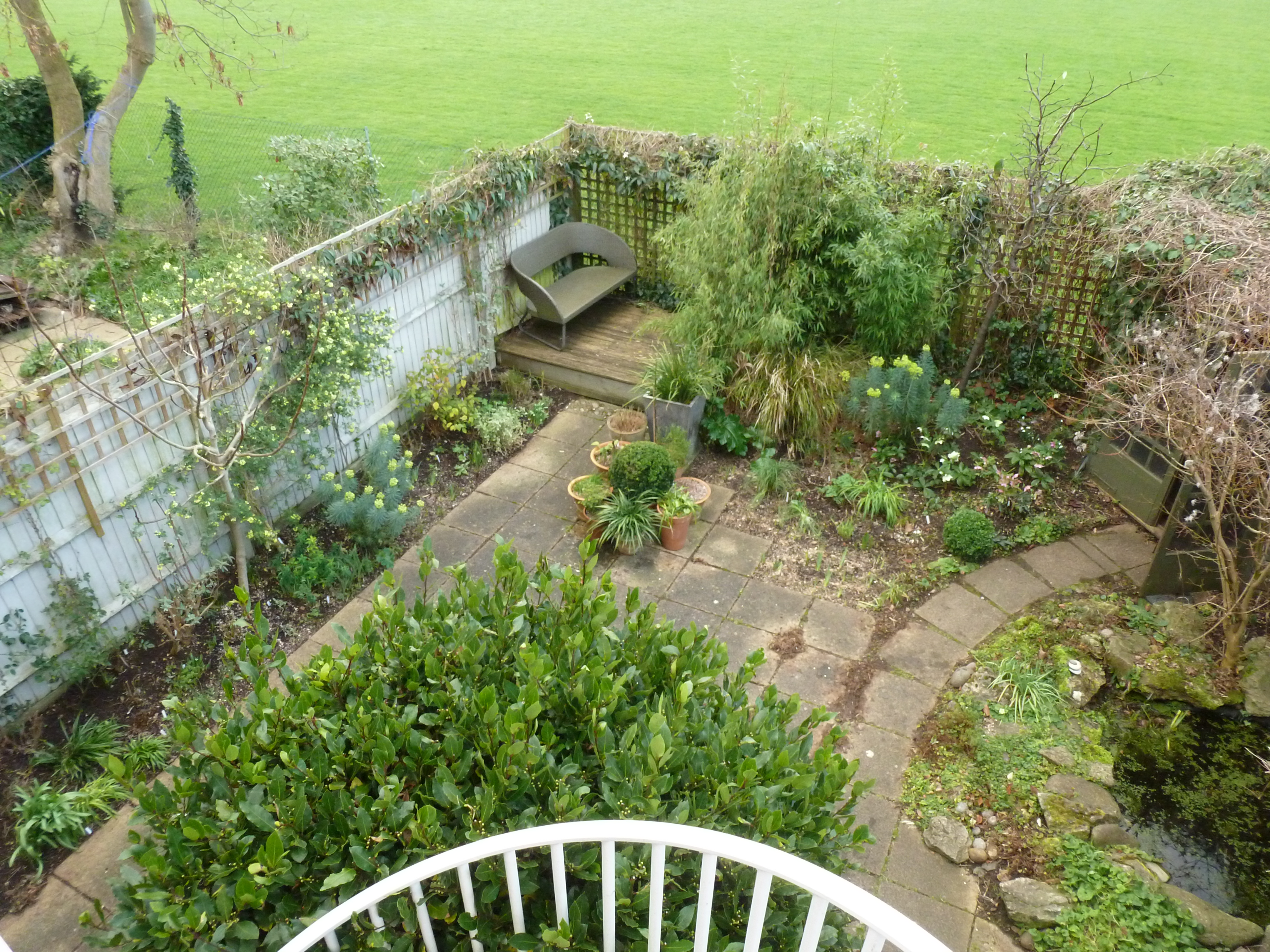
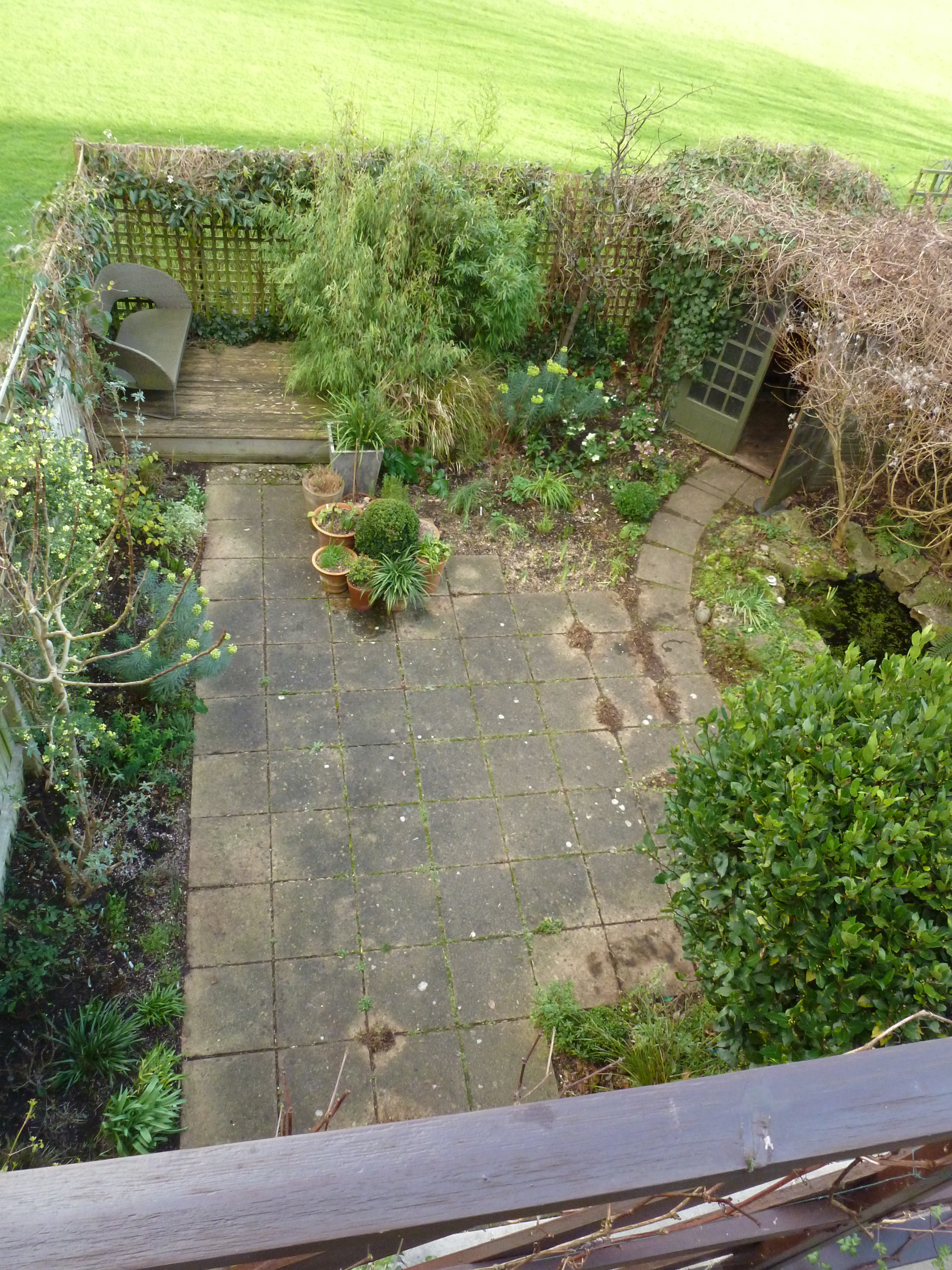
And this is the same view when I had finished the great five-hour tidy up!
So that’s the contrast between high summer and the verge of spring now with all the tulip bulbs beginning to show and the new leaves of emergent perennials. A very satisfying if delicate days work, as one has to be very careful not to sweep away or damage something that is on its way back to life. I think this is a good way to garden – rather than emptying the garden of everything in October and looking at bare soil for four months, which can be depressing and wastes so much of what late autumn plants have to offer.
Here new bearded iris growth is revealed, and the rhizomes get a chance for maximum baking in the spring/early summer sunshine for best flowering…
And this is the whole tidy effect from my balcony at the end of the task!
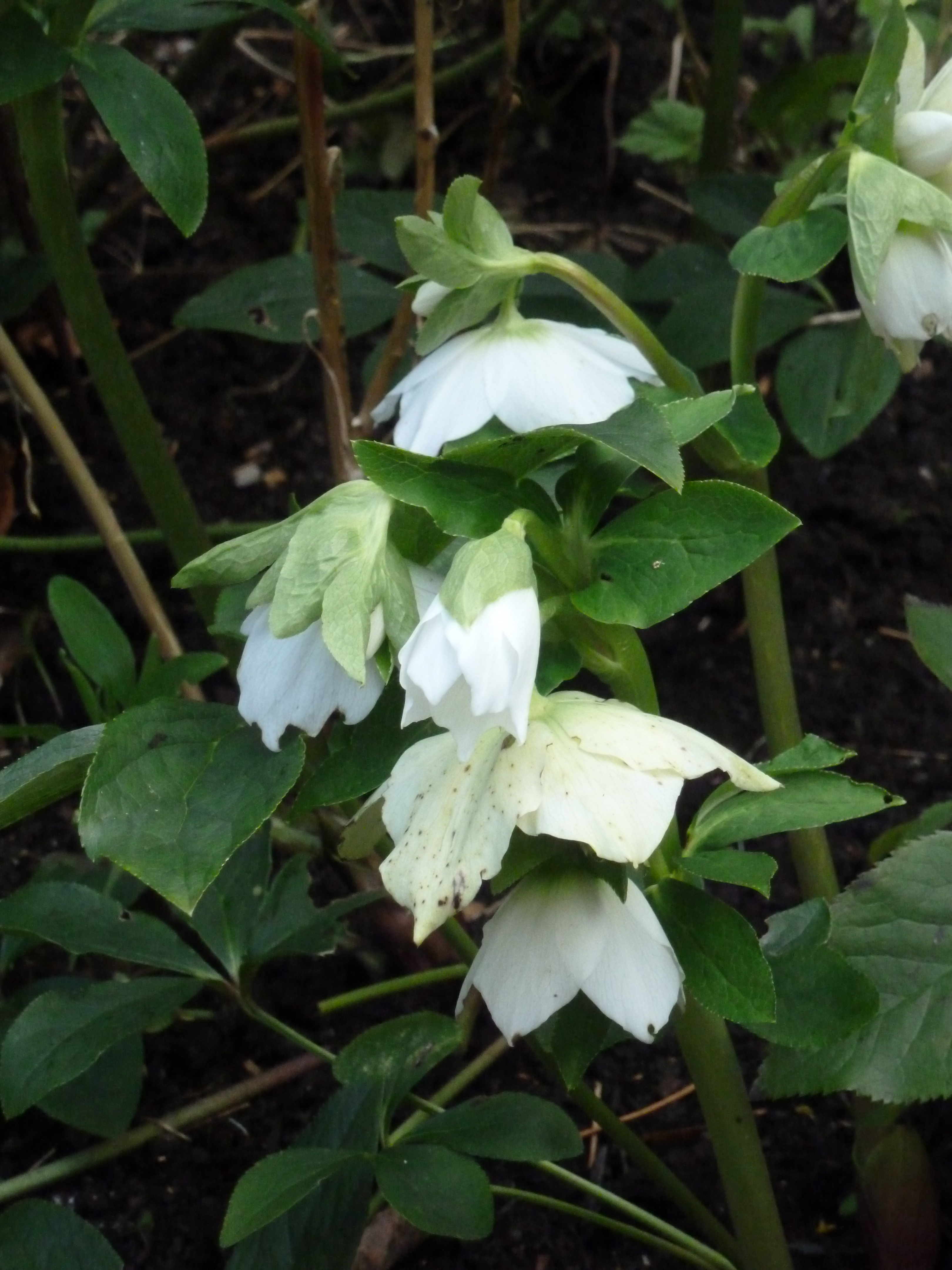
2016 has been very stormy in my neck of the woods but not desperately cold at any point yet, except for one harsh week or two. And there has been plenty of rain – the bamboos have loved that, as have my Hellebores – I planted eight new plants last year and they’re really settling in now, as are the ones my mother gave me several years ago.
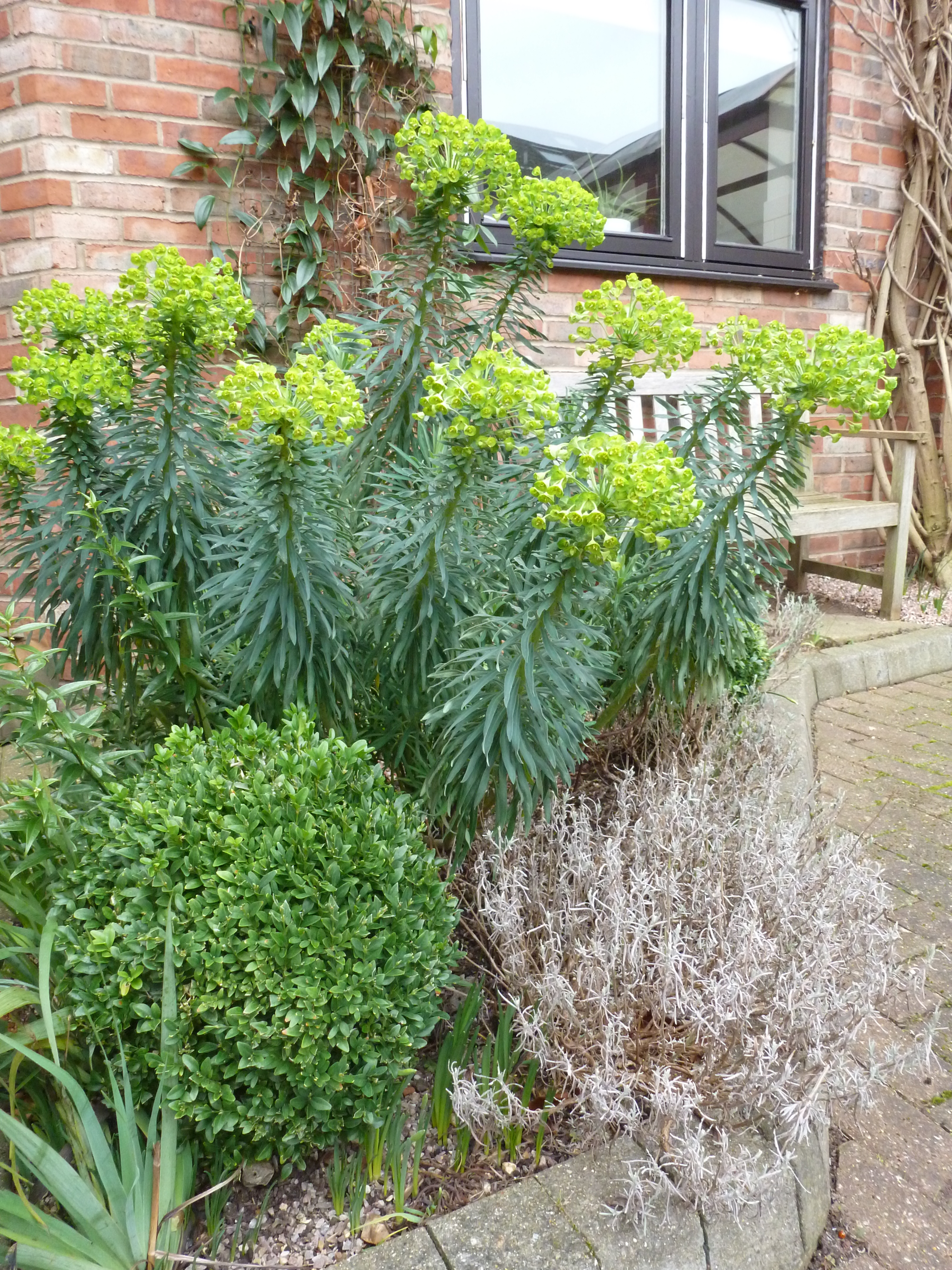
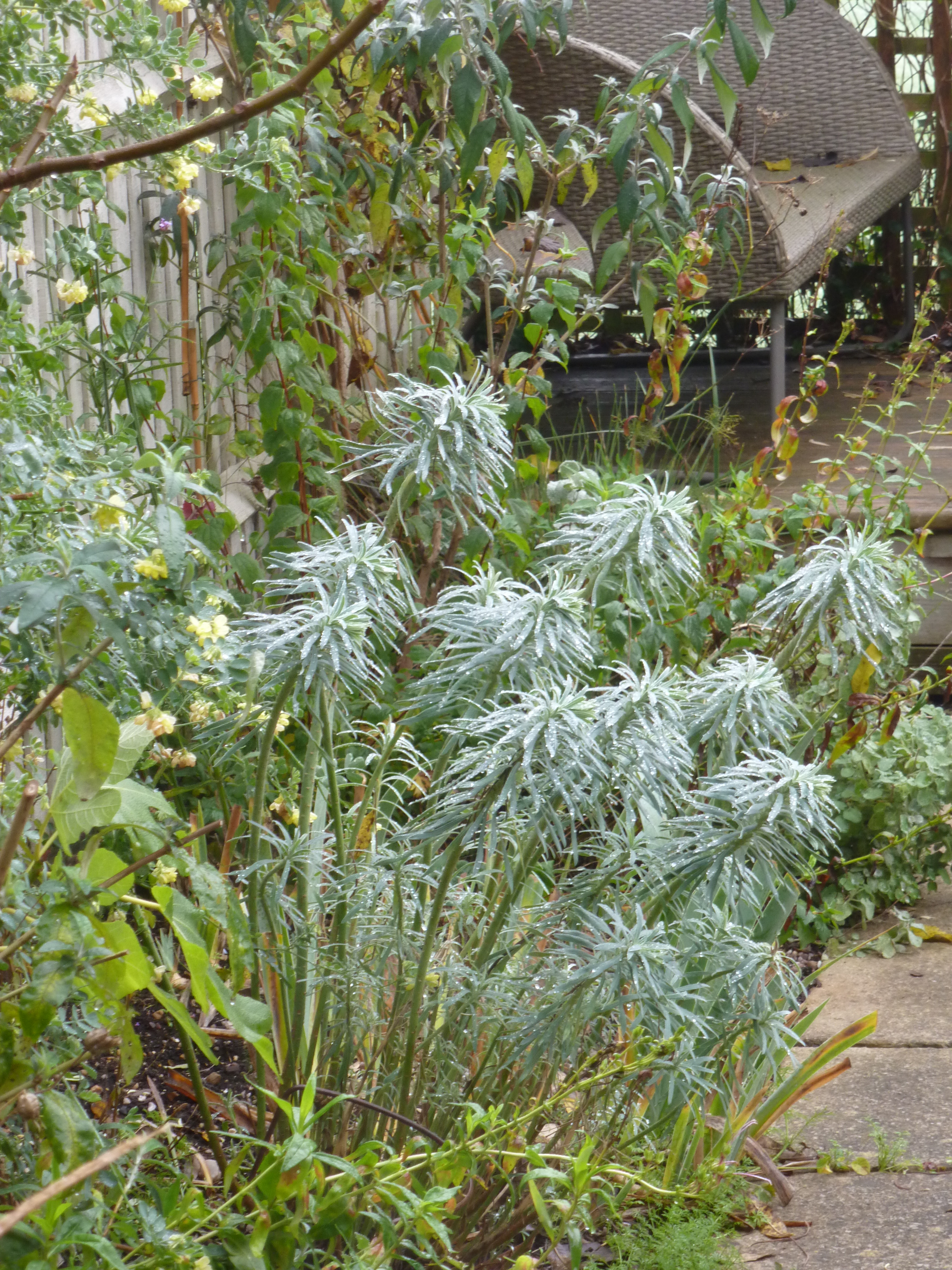
Also the Euphorbias seem to have survived flowering too early in December and are just powering on
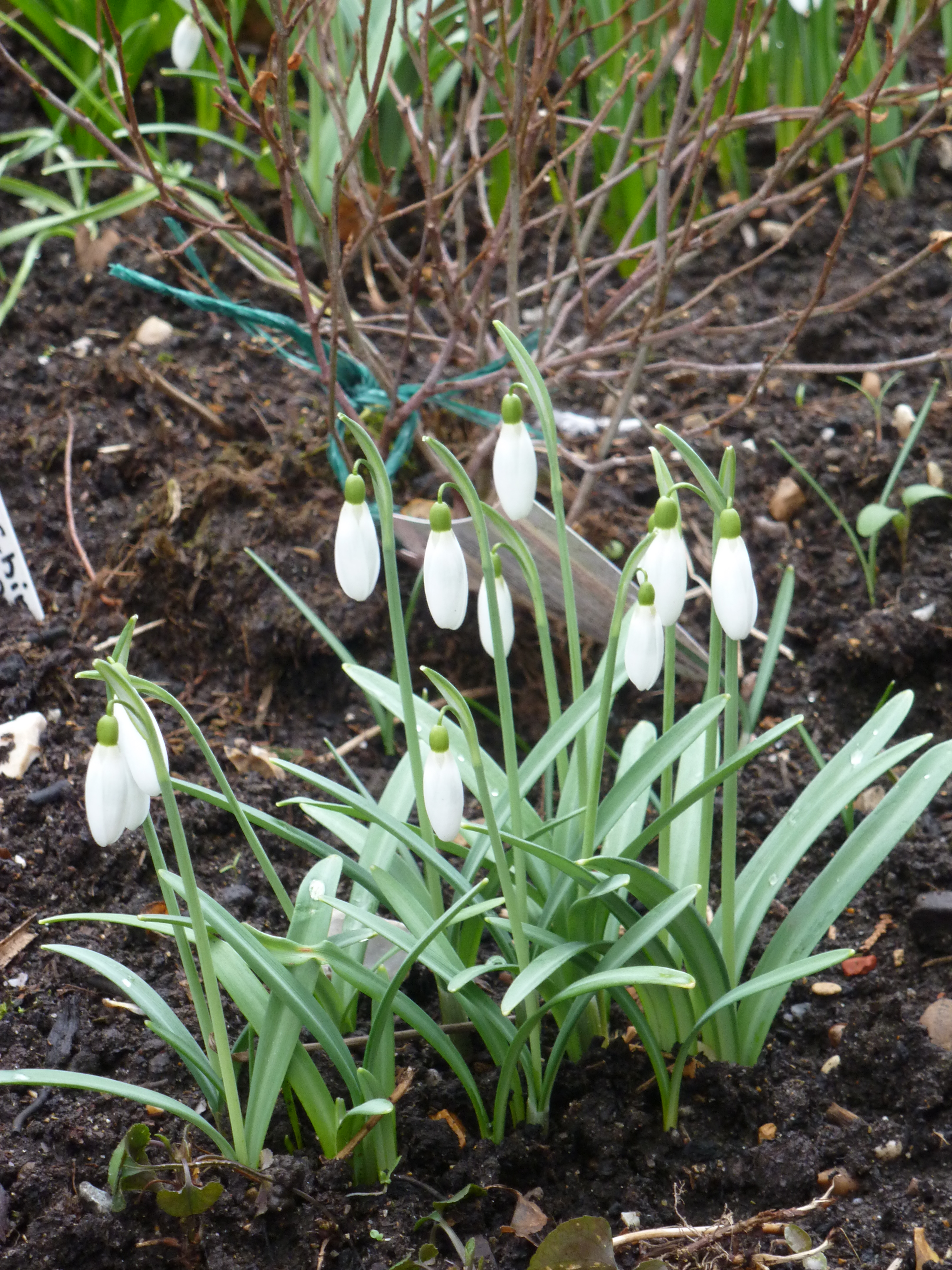
And last, but not least, of course, this is the month of the snowdrop – and the month to divide and re-plant your stocks to get more drifts. Snowdrops only like to be planted ‘in the green’ so February is the month for purchasing snowdrops. Never plant dry bulbs of snowdrops. I have been getting more into this wonderful genus – I have just read a lovely little publication by Jackie Murray called simply ‘Snowdrops’ – a very concise guide, in which the author’s enthusiasm is quite infectious. I don’t think I will ever be a fanatic (otherwise known as a ‘Galanthophile’) but I would certainly like to increase the range of varieties I grow.
These are some double ones in my garden…
and some rather perfect ones looking poised in bud, in my Mother’s garden…
Happy gardening to you all and a happy and healthy Springtime ahead.
Autumn used to be the time gardeners stormed through their gardens tidying everything away ruthlessly. However, since Piet Oudolf taught us all to love autumn grasses and winter seed heads, things have shifted to an end of February clear up instead, which is actually a very satisfactory time to clear everything away and make way for the new gardening year powering in.
Tiny poppy seeds skeleton no bigger than my little finger found whilst clearing away winter debri
This is the best time to cut down ornamental grasses, and to observe close up all the bulbs and perennials you may have forgotten about pushing up through the soil already.
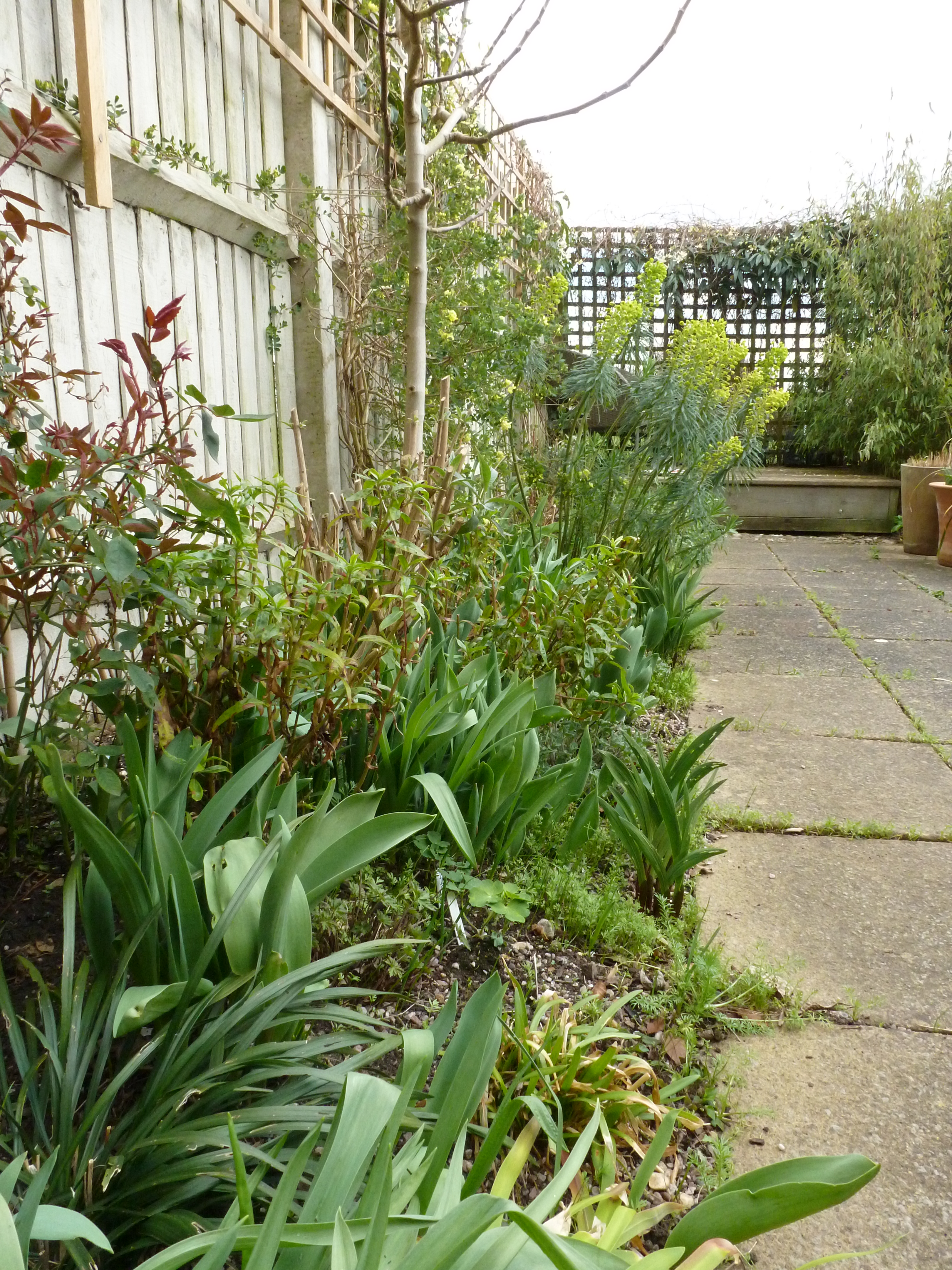
Whilst the great spring tidy is underway one has time to really appreciate everything that is getting started. Here in my south-facing border the massed planting of tulips are all getting away from the starting blocks, with leaves of Gladiolus byzantium edging the path…
And in this image you can really see the layers of the border in the making – Ballota in the foreground, Centaurea and Aquilegia in the middle, and alliums, tulips and bearded iris in the background – all just in leaf at the moment, but a study in the different qualities of spring green, to lift the spirits and wet our appetite for the summer show to come.
Here bearded irises, Asphodeline, Eremurus and daylilies are all pushing up in my ‘bakers’ bed’ at the start of March..
and in the same stretch of bed, photographed from the other side, a few weeks later, the bearded irises have advanced rapidly as well as the Asphodeline in the foreground.
Dicentra spectabilis is also starting to come back – a very tough and reliable do-er.
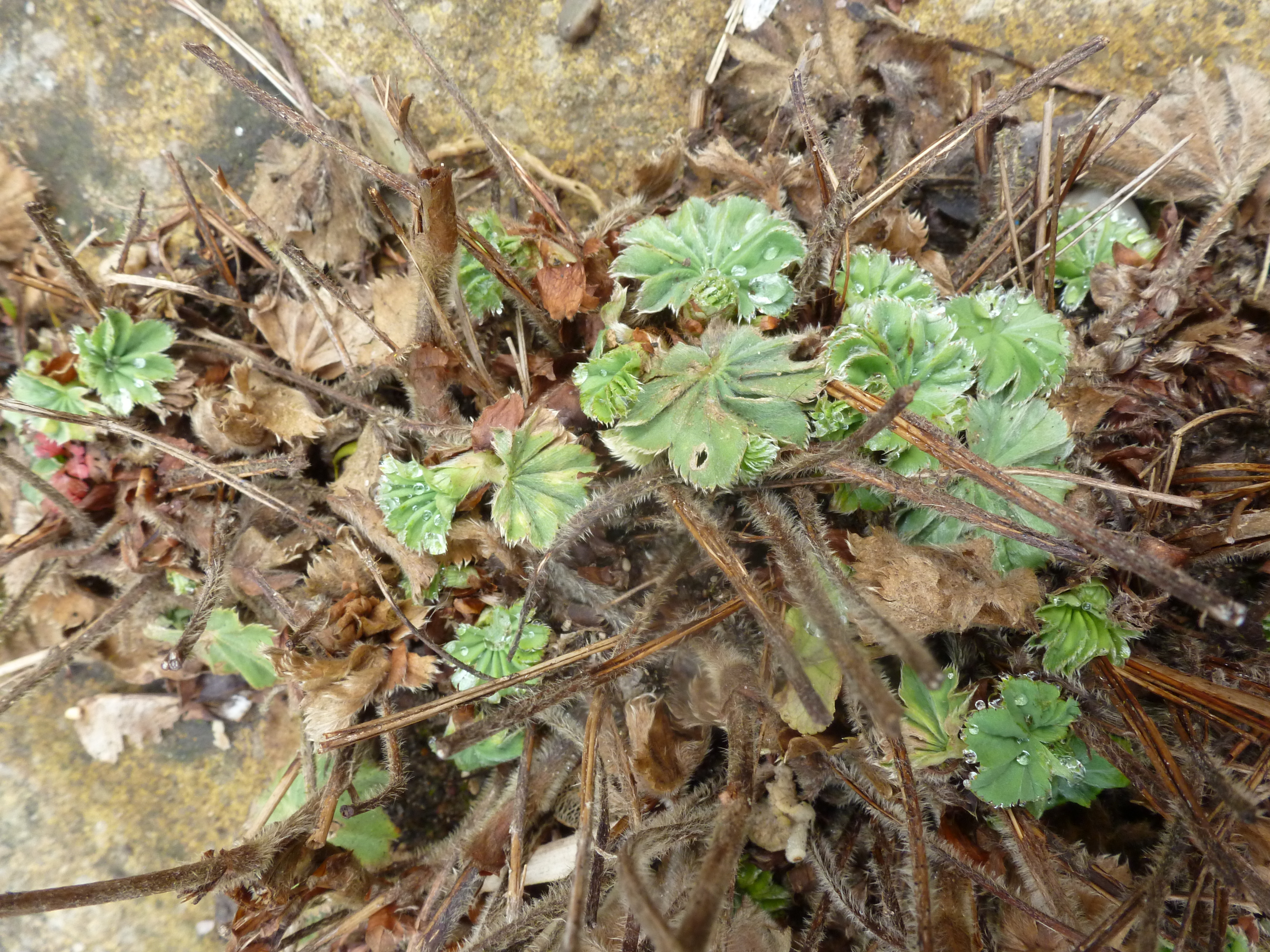
And the beauty of Alchemilla mollis emerging from winter has a dolls-house quality as its leaves are initially so miniature.
As well as all this wonderful greenery, there are some significant flowering highlights for this early spring period in my garden which include –
Clematis armandii ‘Snowdrift’
The wonderful acid green of Euphorbia characias wulfennii …
Viola – great self-seeders and all round survivors
Grape hyacinths
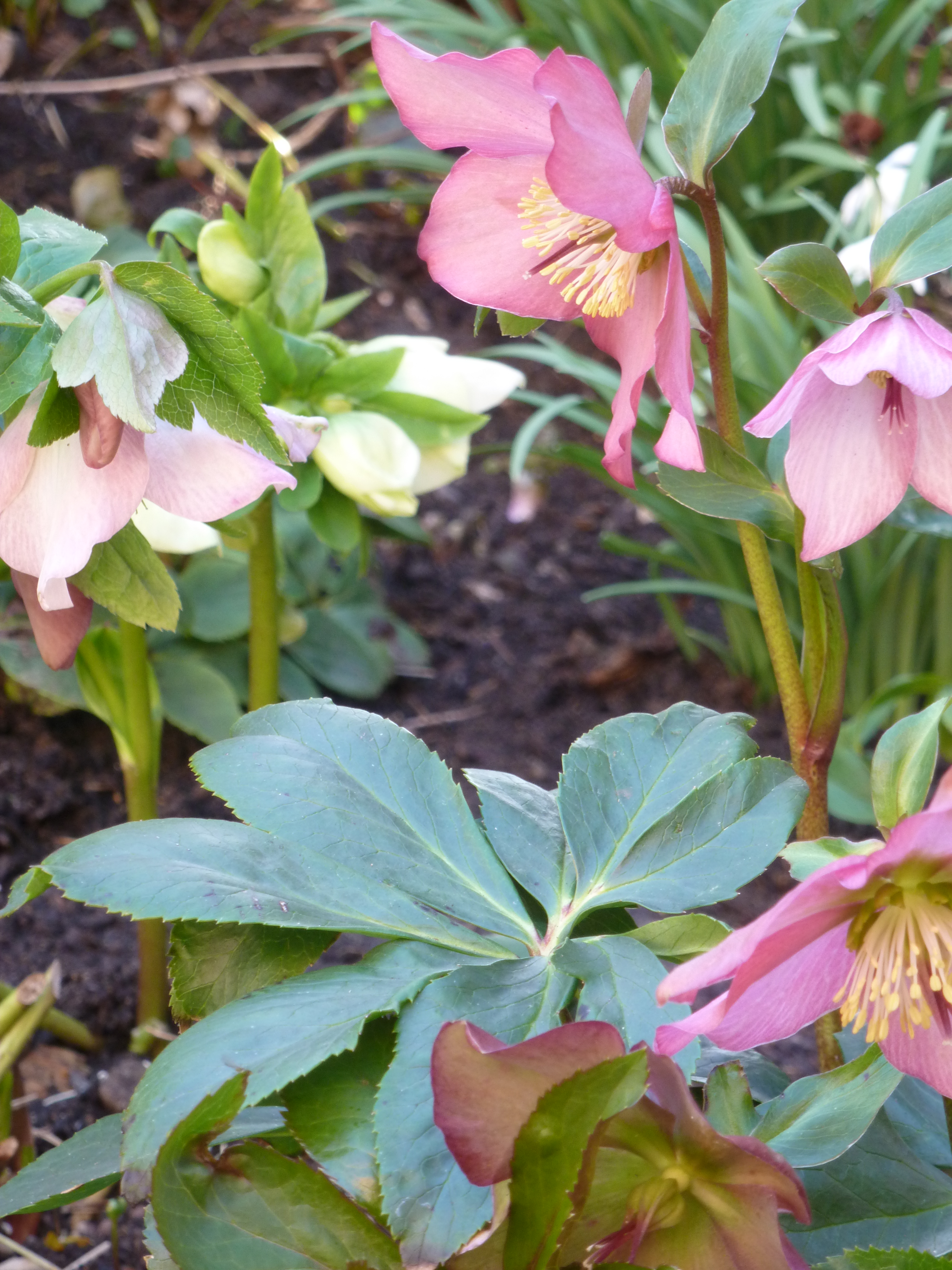
Hellebores
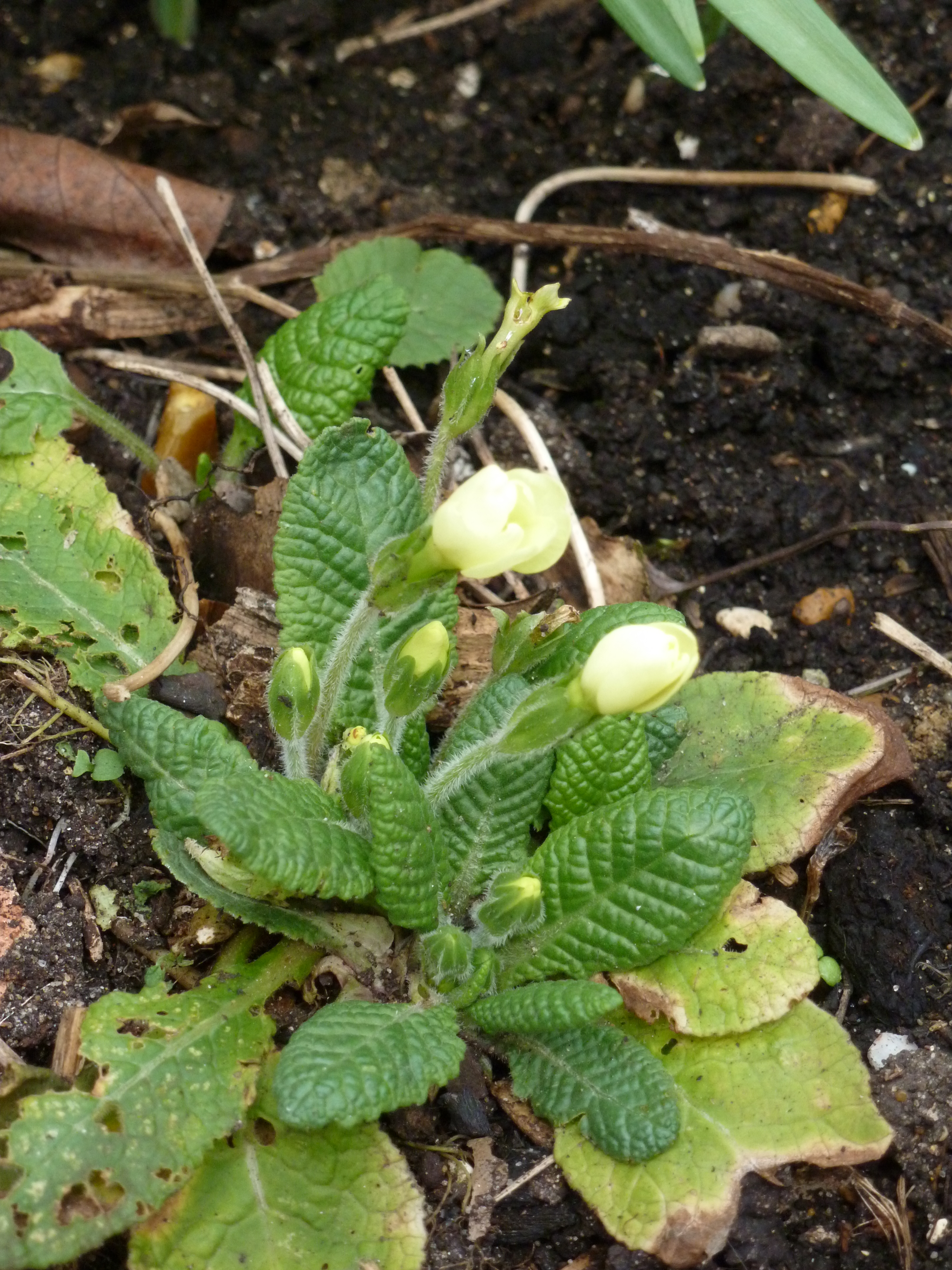
The native primrose which I inherited and which self seeds itself everywhere with grace and ease and is tougher than it looks
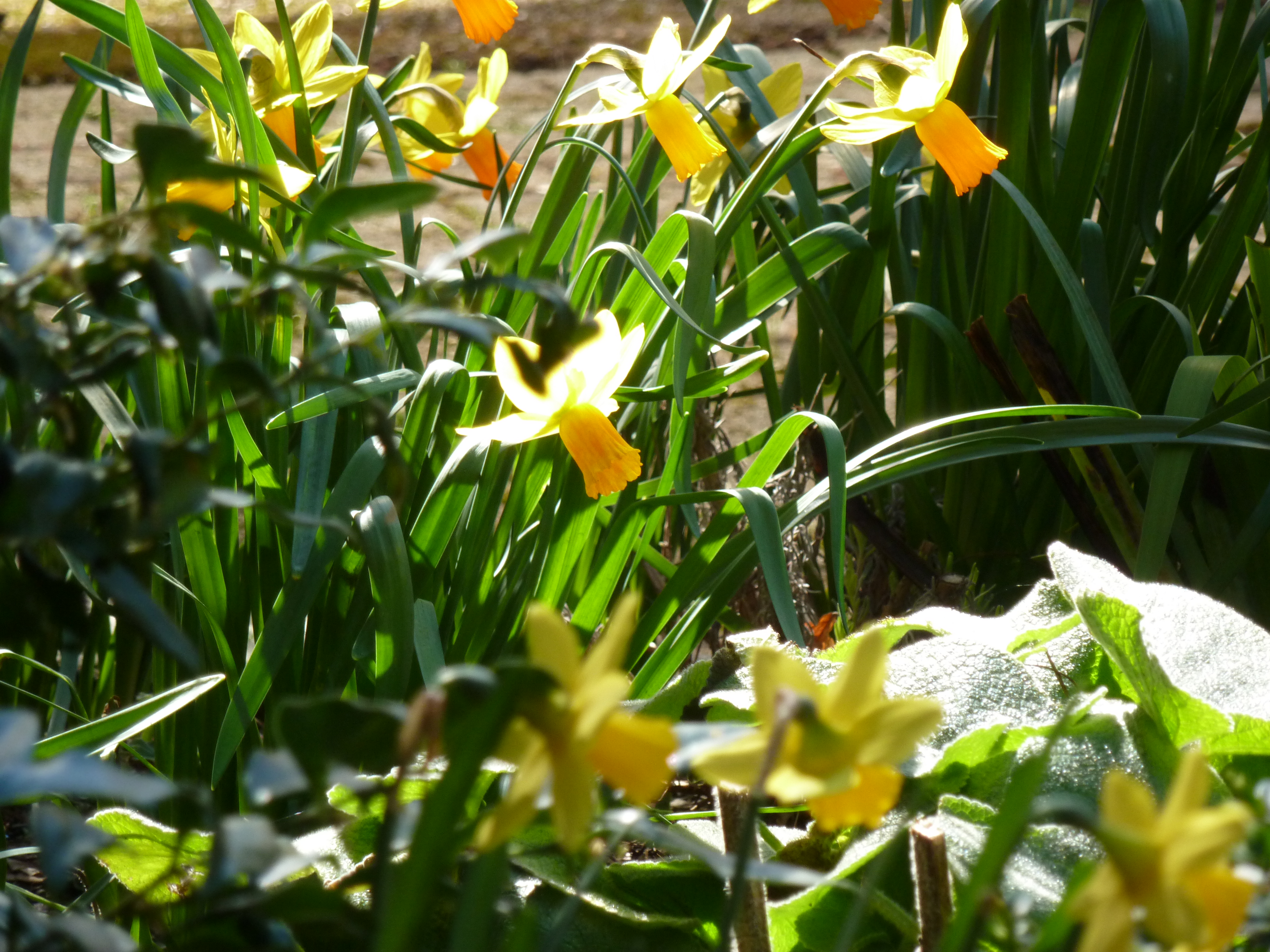
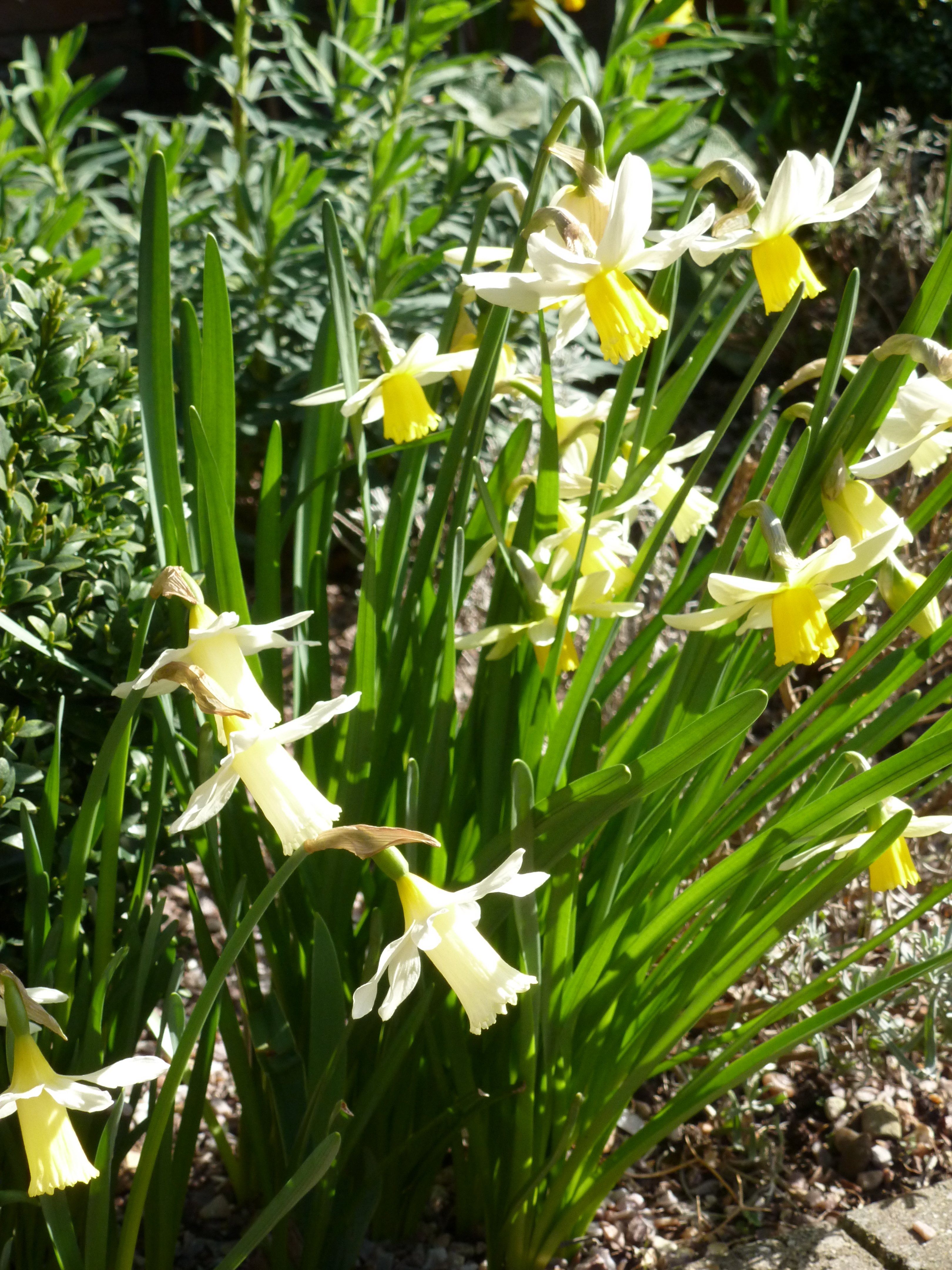
And, of course, last but not least, daffodils the cheery harbringer of spring no garden can be without!
Narcissus ‘Jenny’ in front, and ‘Jetfire’ behind
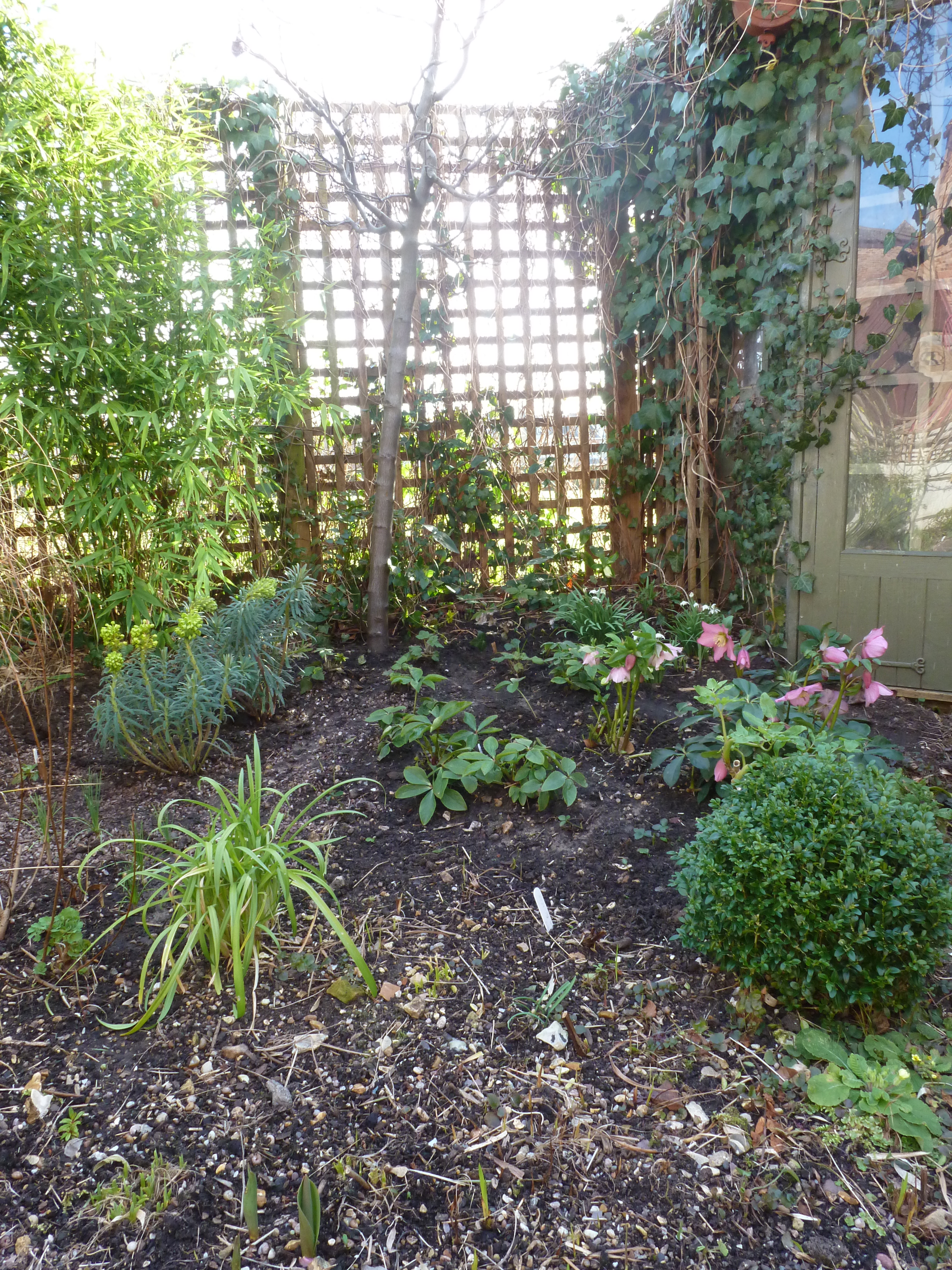
I have also re-vamped the planting directly under my Quince tree having removed a huge Anemanthele lessoniana which was taking up alot of soil space (I already have four of its offspring self seeded in the garden!) so that I could plant more hellebores for spring, more snowdrops and for the first time, Japanese anemones, as I have never grown these wonderful plants before. This spot will be shady for them, along with perennial foxgloves grown for me from seed by my mother. I look foward to reporting back on this new planting as the summer progresses and in future springs.
Since I last wrote in the winter depths of February I have also celebrated my birthday…
Gorgeous flower cakes by my talented mother
…got an A grade for my KLC Garden Design course second module project (hurray) and got a new external down pipe for my boiler pressure tank. I only mention this last apparently incongrous happening, because it, of course, presented a planting opportunity! (for another Clematis armandii to keep my Clematis tangutica company – presently cut to the base ready for its new growth).
Next month I have been asked to write a piece for KLC’s Blog as a guest writer so do drop by here in due course to read that.
And, of course, I will be off to Chelsea Flower Show in May, from which I will be happily reporting – until then, happy spring gardening!
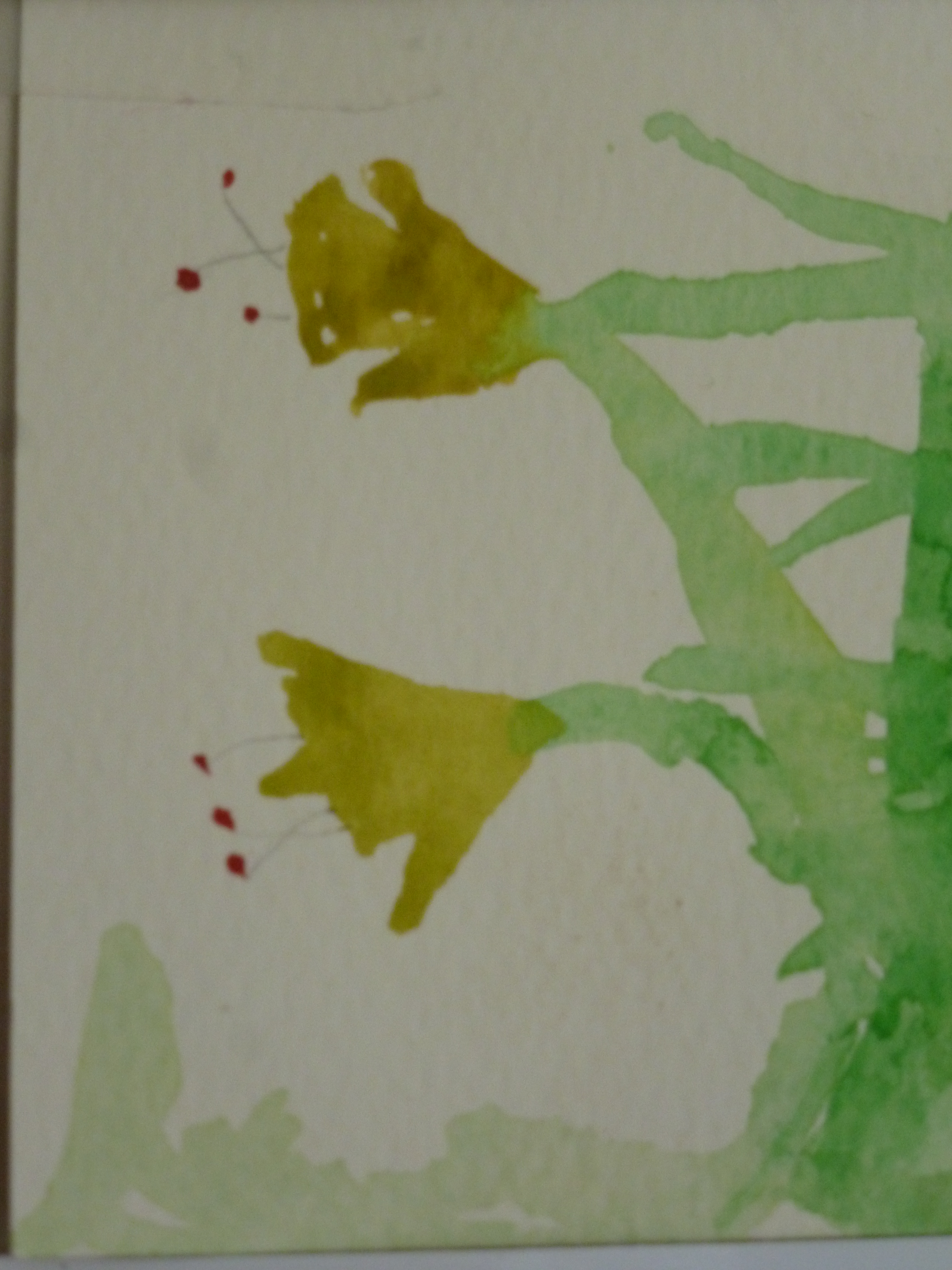
Miniature watercolour daffodil by my youngest son, Josiah Williams
Well, I’ve been away from my blog for quite a while, very remiss I know, and obviously my first New Year’s Resolution of 2015 will be to post more regularly, on the first of each month ideally.
But first to fill you in on some developments…
In October there was a lot of bulb planting in my garden – especially tulips in assorted creams, whites, purples and lilacs. I have always wanted to grow Tulipa ‘Spring Green’ so finally got around to planting that little gem of cream and green delight for next spring.
Euphorbia characias wulfenii was moved from my front garden to the back garden, as I had stupidly planted three in the front, where one was far big enough by itself. The removed one is looking happy enough in its new home and helps fill out my south-facing back garden border.
I had a bumper crop of figs – I actually ate about twenty of my own home-grown figs for the first time ever. They tasted great (Brown Turkey) and looked rather lovely too.
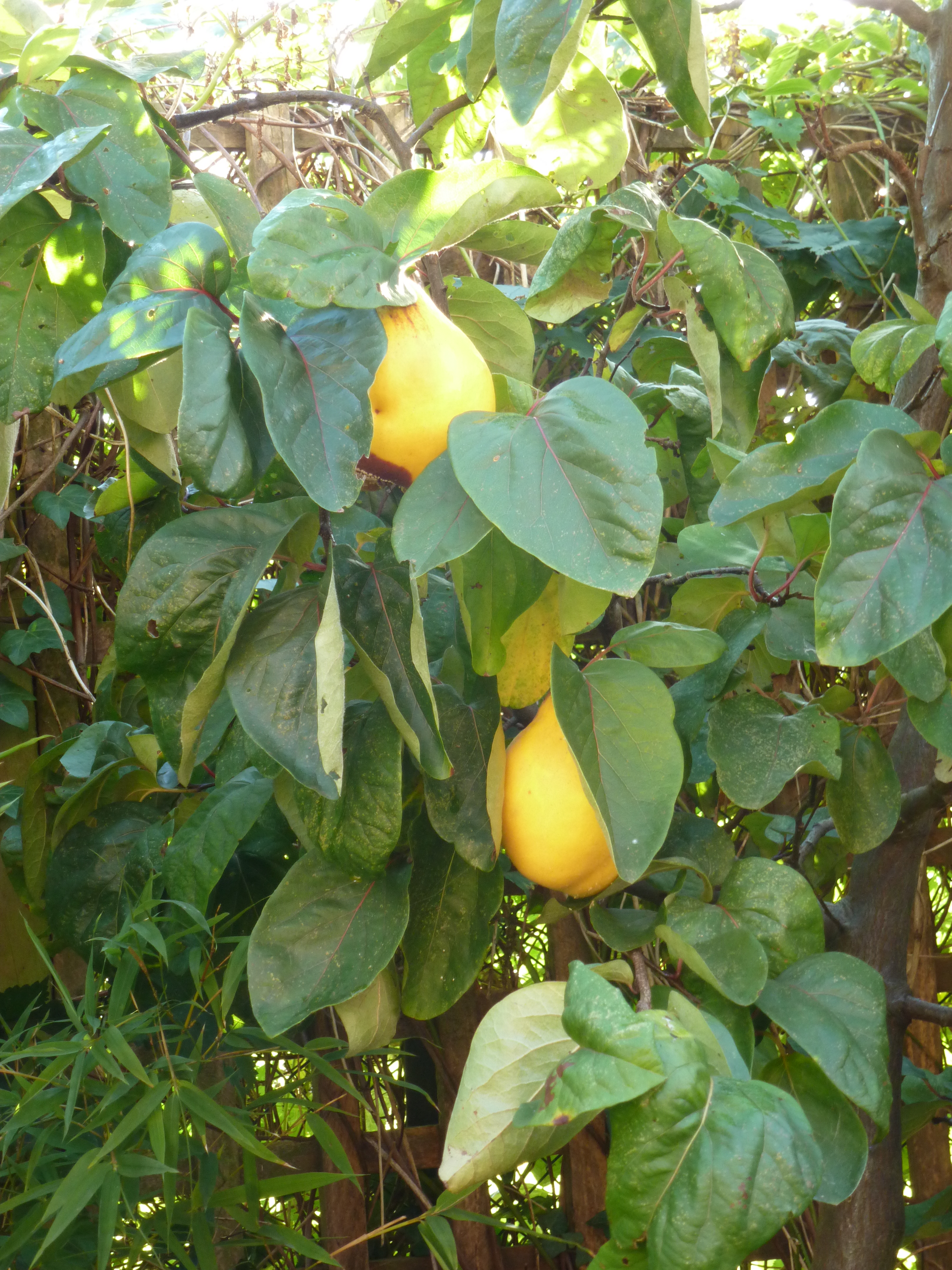
And the Quince tree performed very well as well.
I am looking forward to my new Sarcococco ruscifolia ‘Dragon Gate’ doing its thing in January with the lovely cheering scent I have been reading about – newly planted at my front door. A variety selected by the great Roy Lancaster on his travels.
I have been away from the blog sphere since July due to some traveling around a little bit, here….
Wells Beach, North Norfolk
and there….
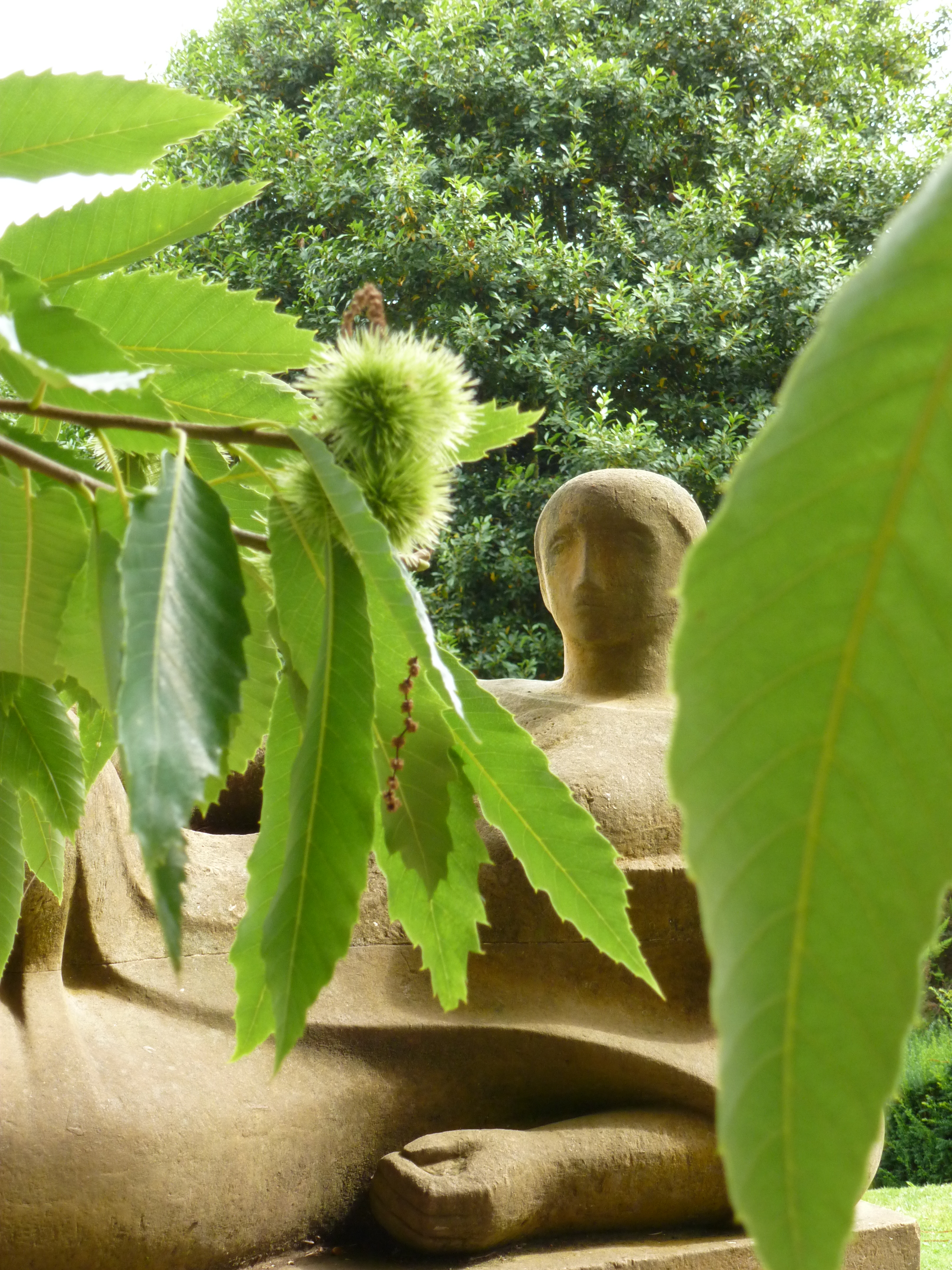
Henry Moore statue at Dartington Hall, near Exeter, Devon
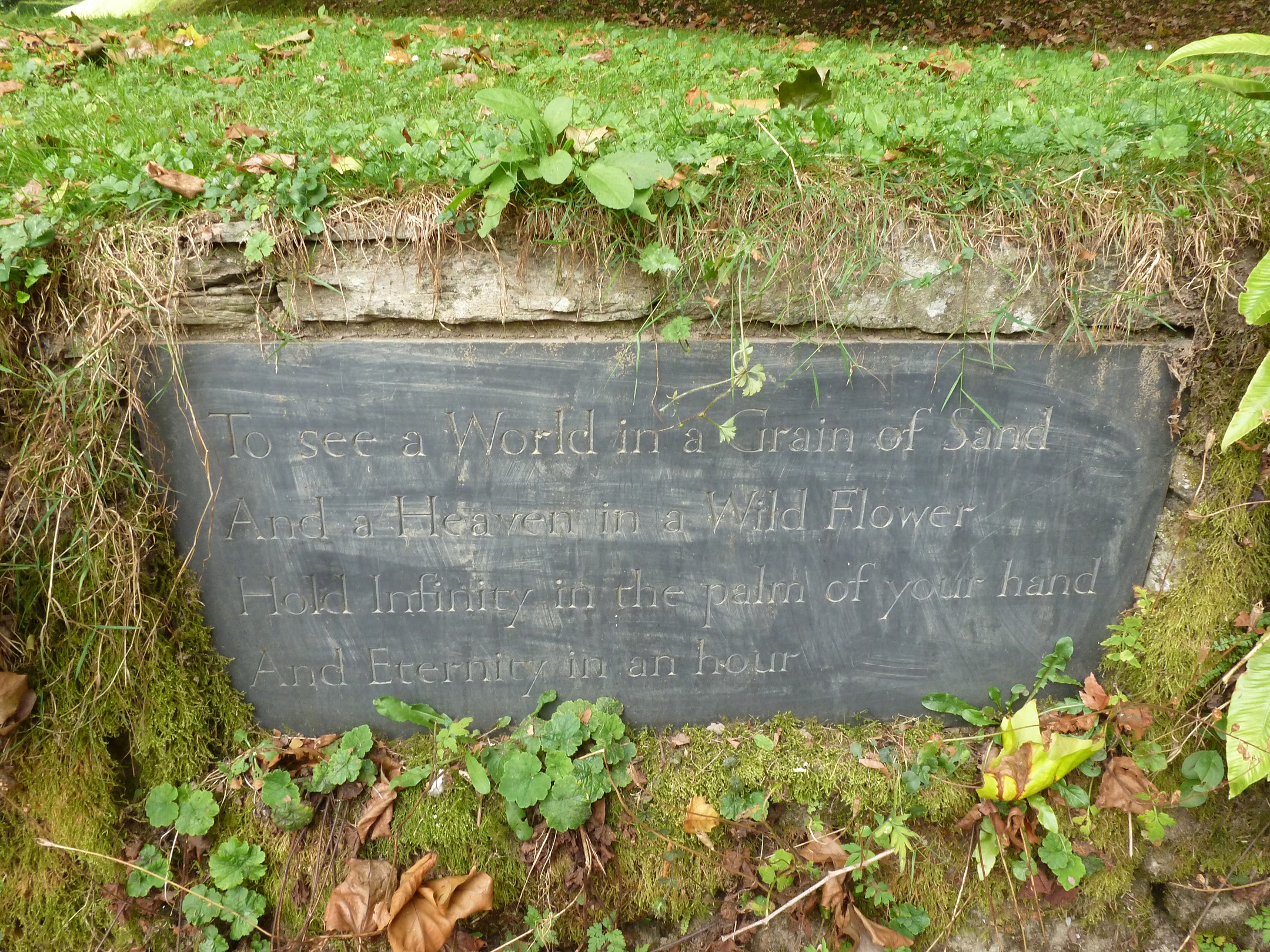
William Blake’s lovely words, also at Dartington Hall
Dahlias and Rudbekias at the Jardin des Tuileries, Paris
But finally I’m now back in my own garden for the lovely month of September.
So, this post is very overdue, but it’s a nice contrast to July, because now we have all the beauty of a proper Indian summer, as promised by the weather people – lovely low sunshine, a still and mellow atmosphere with not too much wind and rain, and just a slow slip into the decline of October and November, but not before one last sultry burst of colour, with hazy oranges, reds and burnished yellows having their last glorious moment.
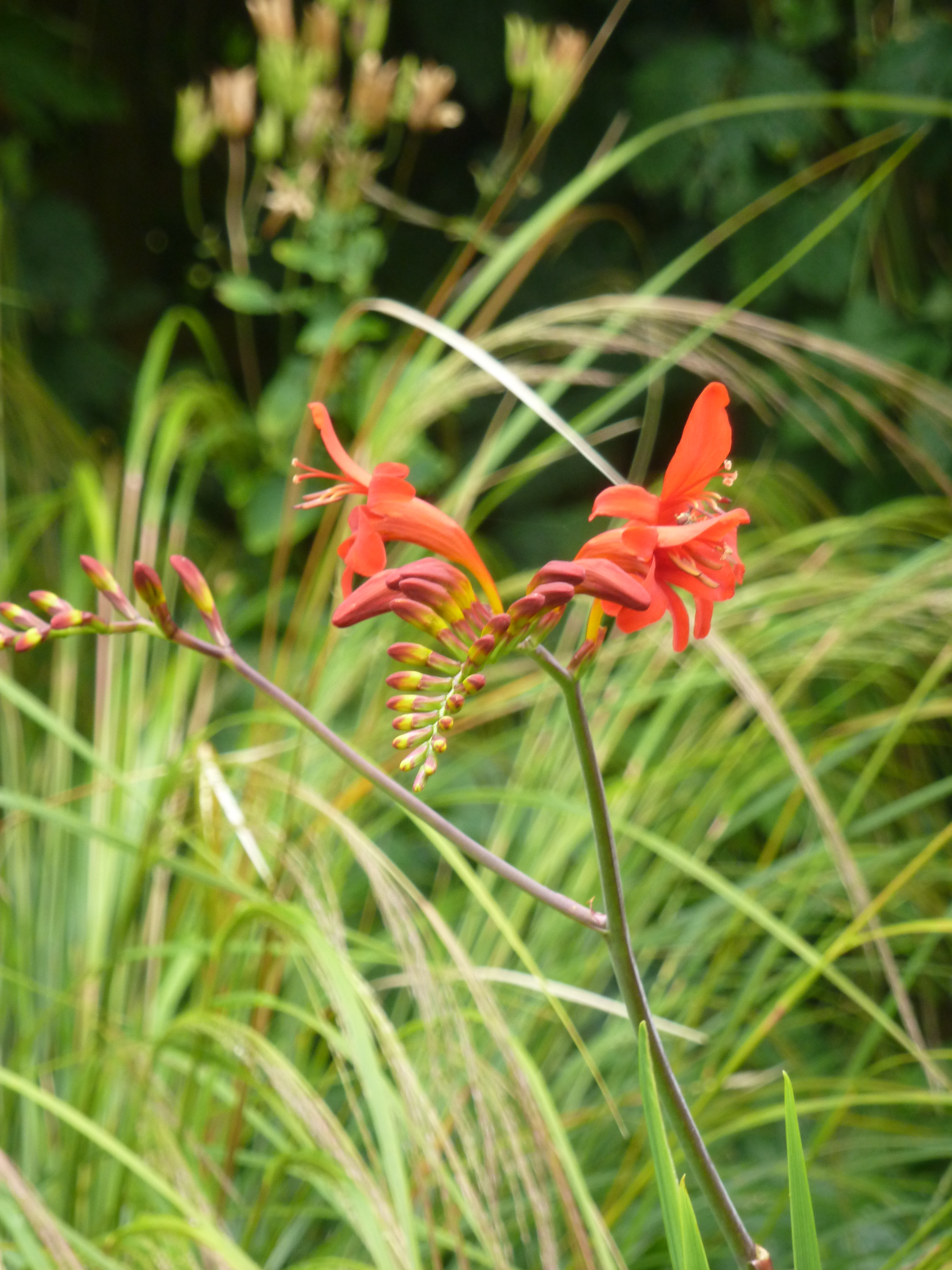
Crocosmia ‘Lucifer’ has had a great summer – wonderful in its flowering glory days…
and now rather beautiful in seed-popping decline, as seen here.
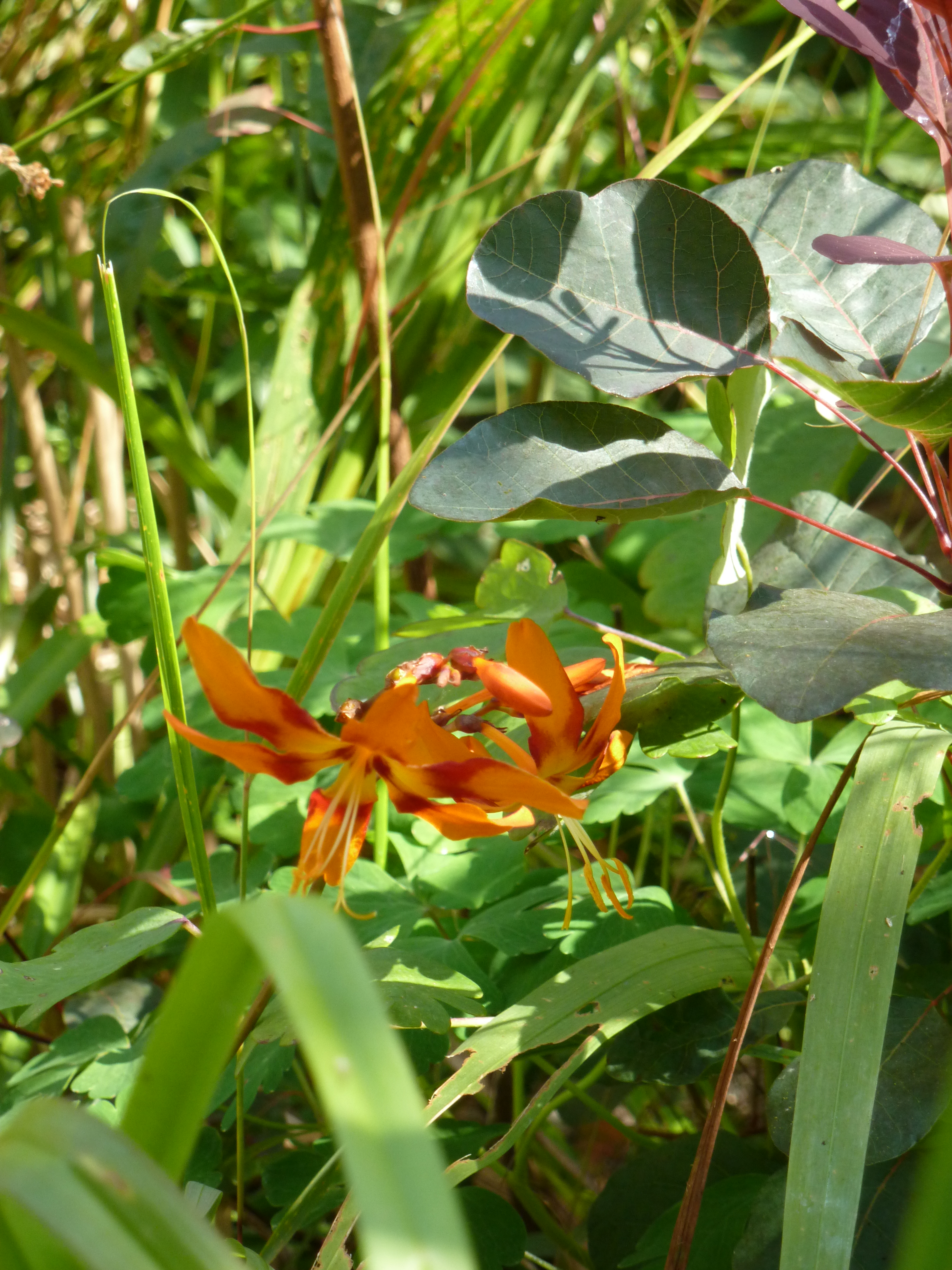
Crocosmia ‘Emily Mckenzie’
Quinces are, of course, one of the big stars of September – and my tree (Cydonia oblonga ‘Vranga’) is finally coming into its own, four years after planting, with a bumper crop of glowing yellow fruits. This is a great tree for a small City garden – lovely single, blush pink, rose-like spring flowers, wonderful fruits, and eccentric straggly branch growth that is endearingly ramshackle.
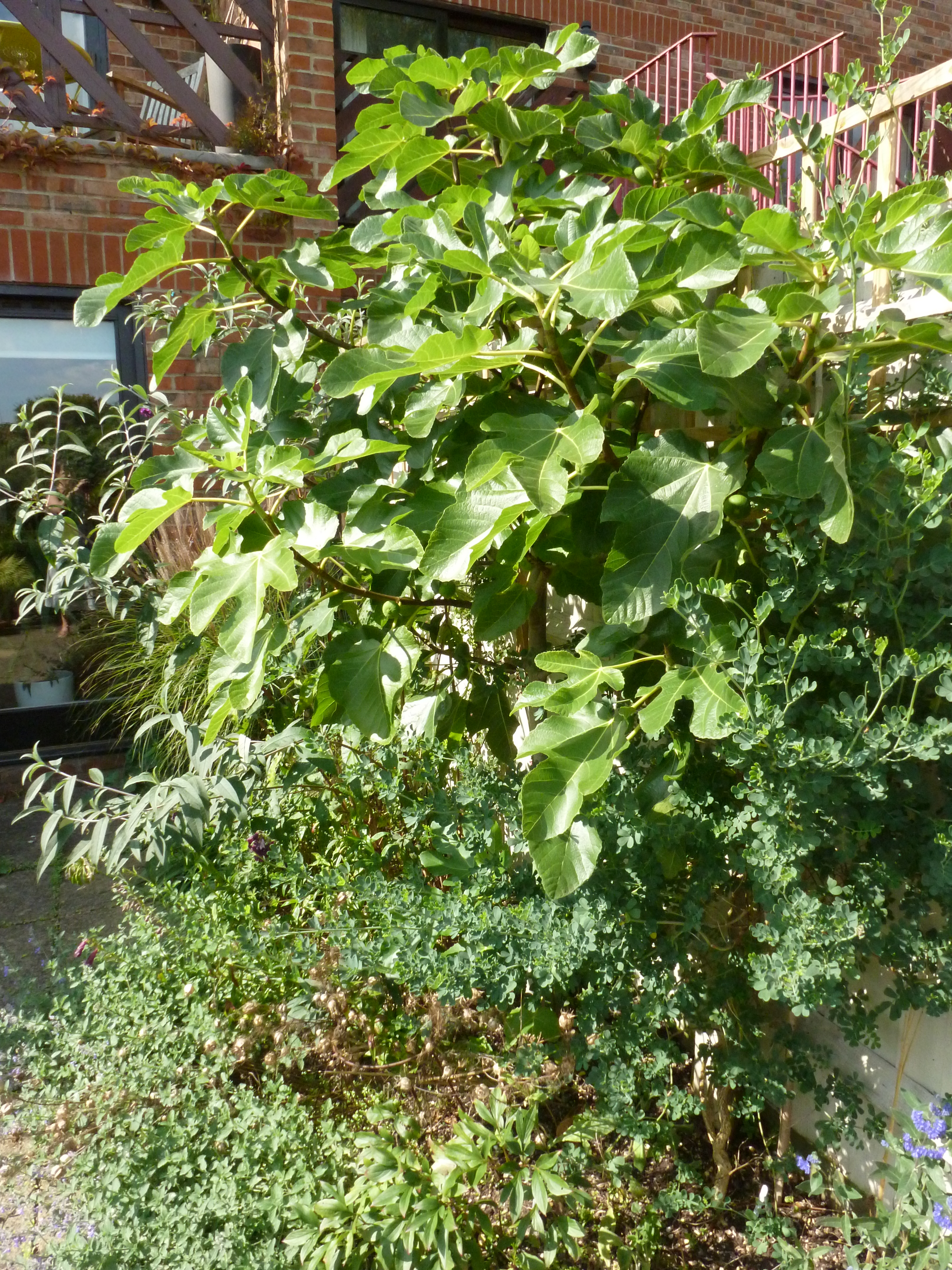
The fig tree is also looking sumptuous this year – its leaves very lush and healthy, with a huge crop of figs, though sadly not quite ripening enough in time to be edible this year. A few years back I replanted the tree and restricted its root growth by placing several large bricks around the roots – it likes to feel really hemmed in to really ‘get going’ and be happy. It’s done the trick.
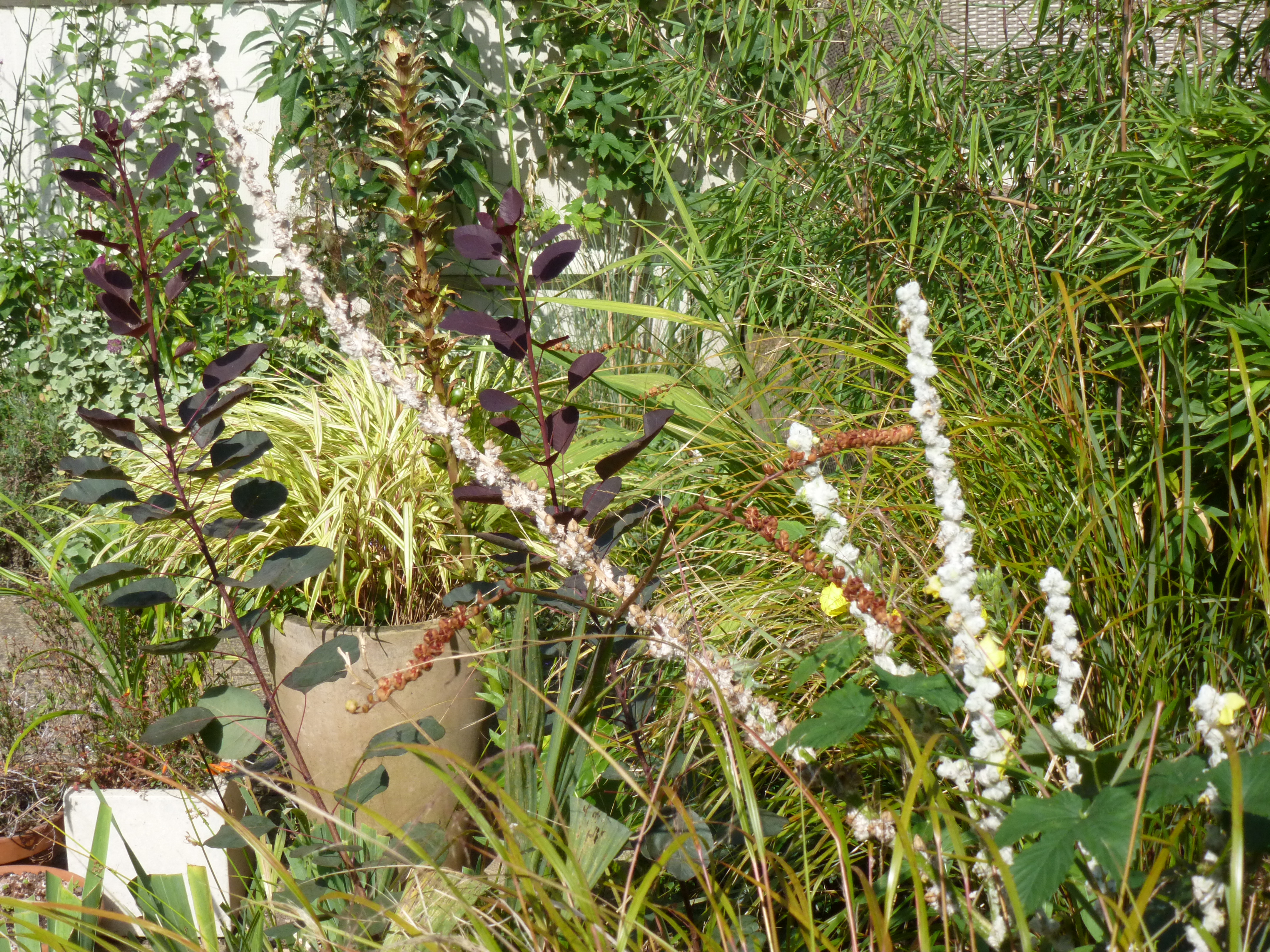
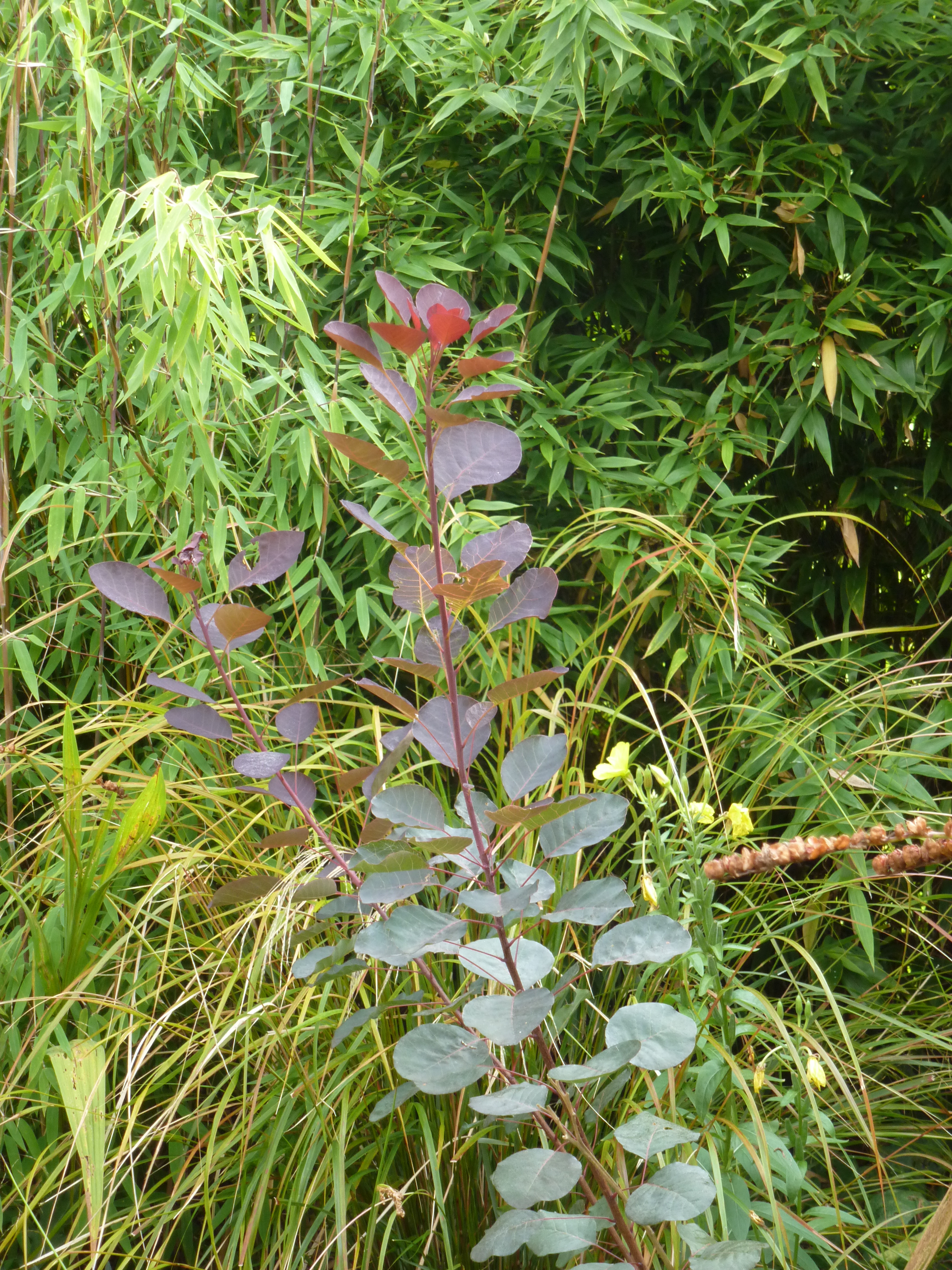
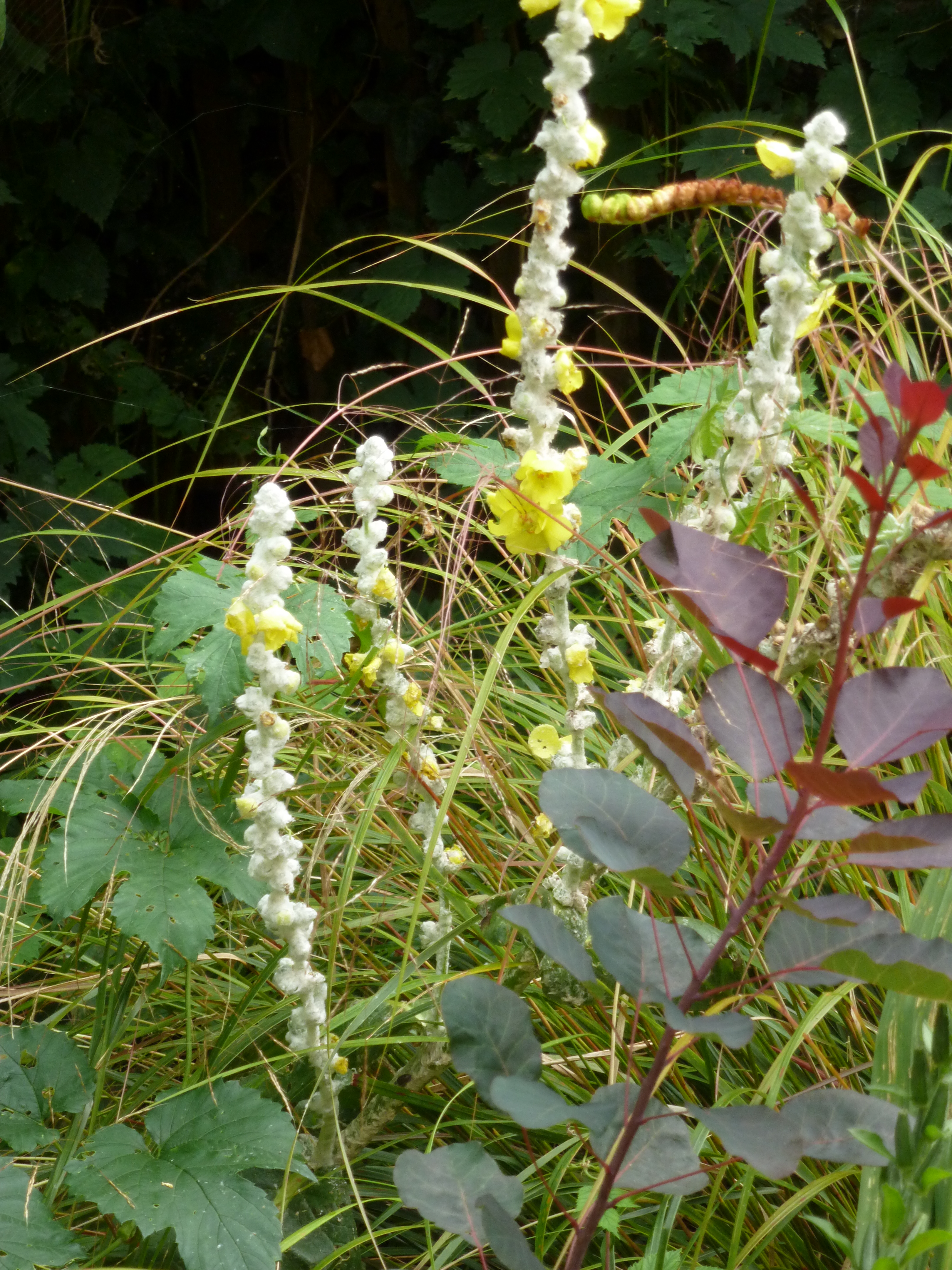
Cotinus coggygria is another great plant for autumn – mine is ‘Dusky Maiden’ and it is living up to its name, sitting happily with other plants and tinting up beautifully without clashing.
Oenothera, (evening primrose), are new to me this year and they have delivered some beautiful yellows of buttercup perfection this autumn, which I’m very pleased with.
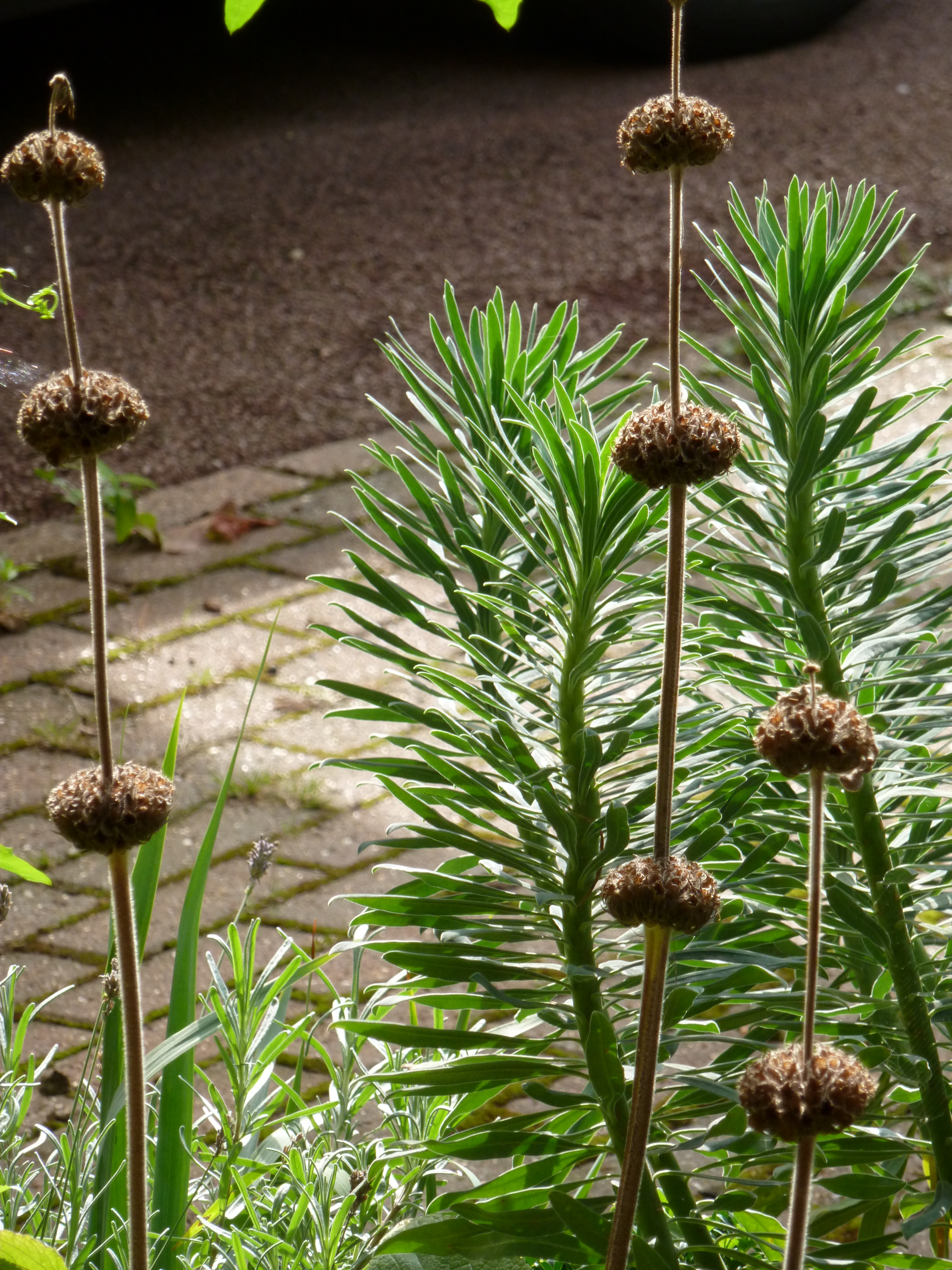
Then, along side all these lovely fiery colours, there are the seed heads that are to be admired at this time of year – the top of the list being the space-age ones of Phlomis.
And the seedpods of Acanthus are robust and beautiful too.
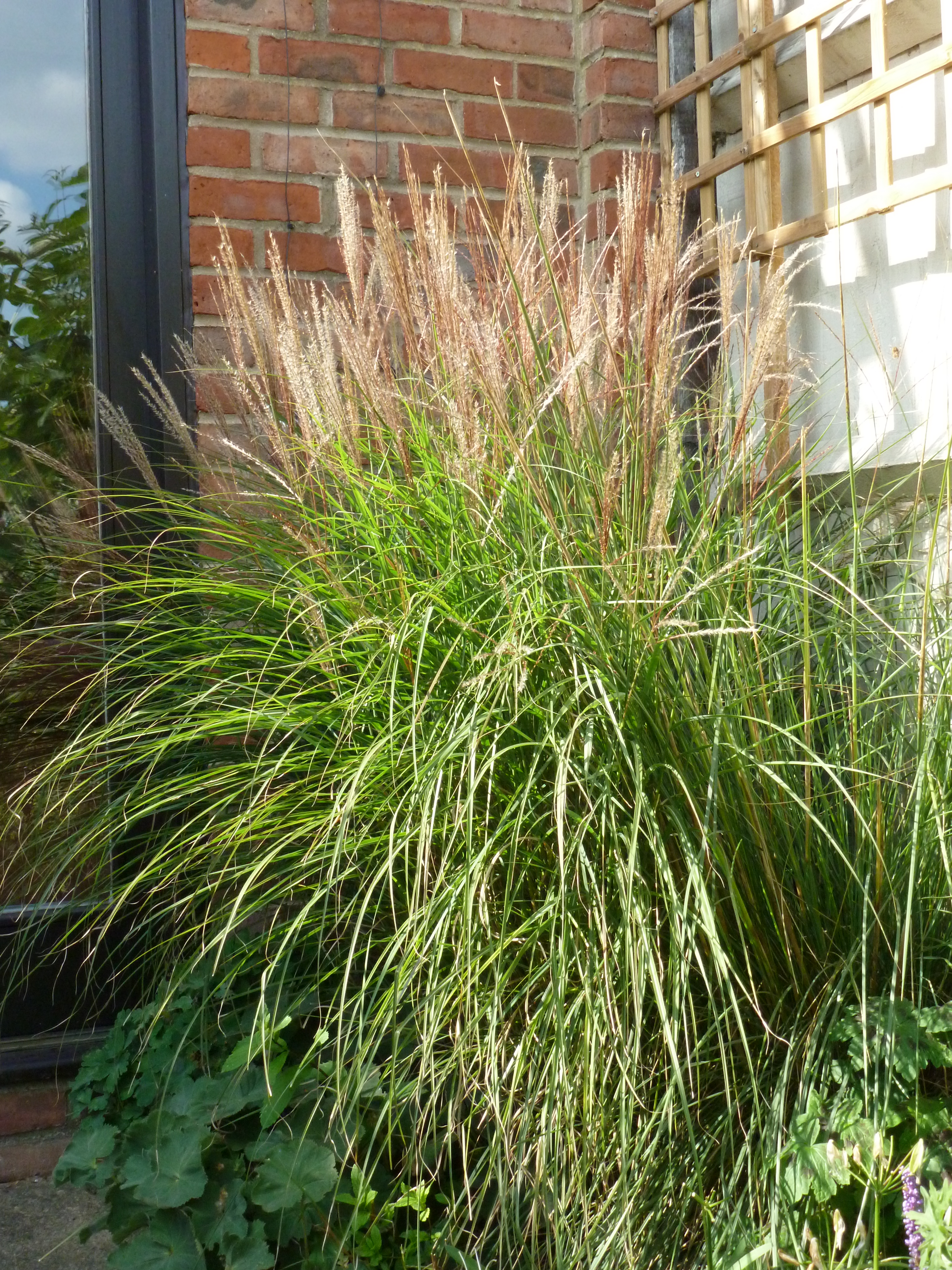
And the wonderful bushy grown of Miscanthus sinensis, the seed heads of which will stay around until February next year for some fabulous winter skeleton architecture.
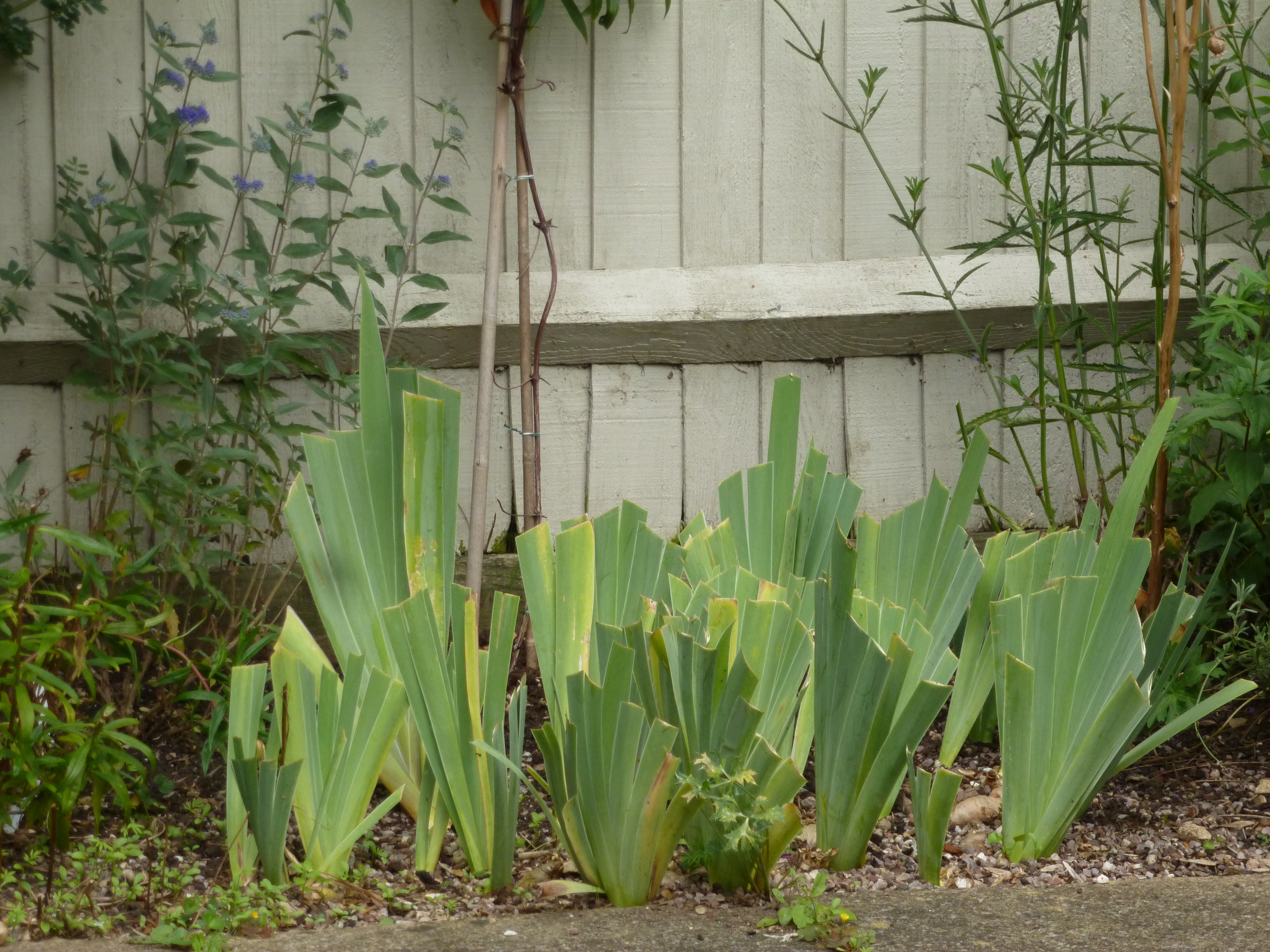
This is a good time to cut back bearded irises so that they do not suffer wind rock, and the rhizomes have the maximum exposure to sun light and a good ‘baking’ now and in May next year.
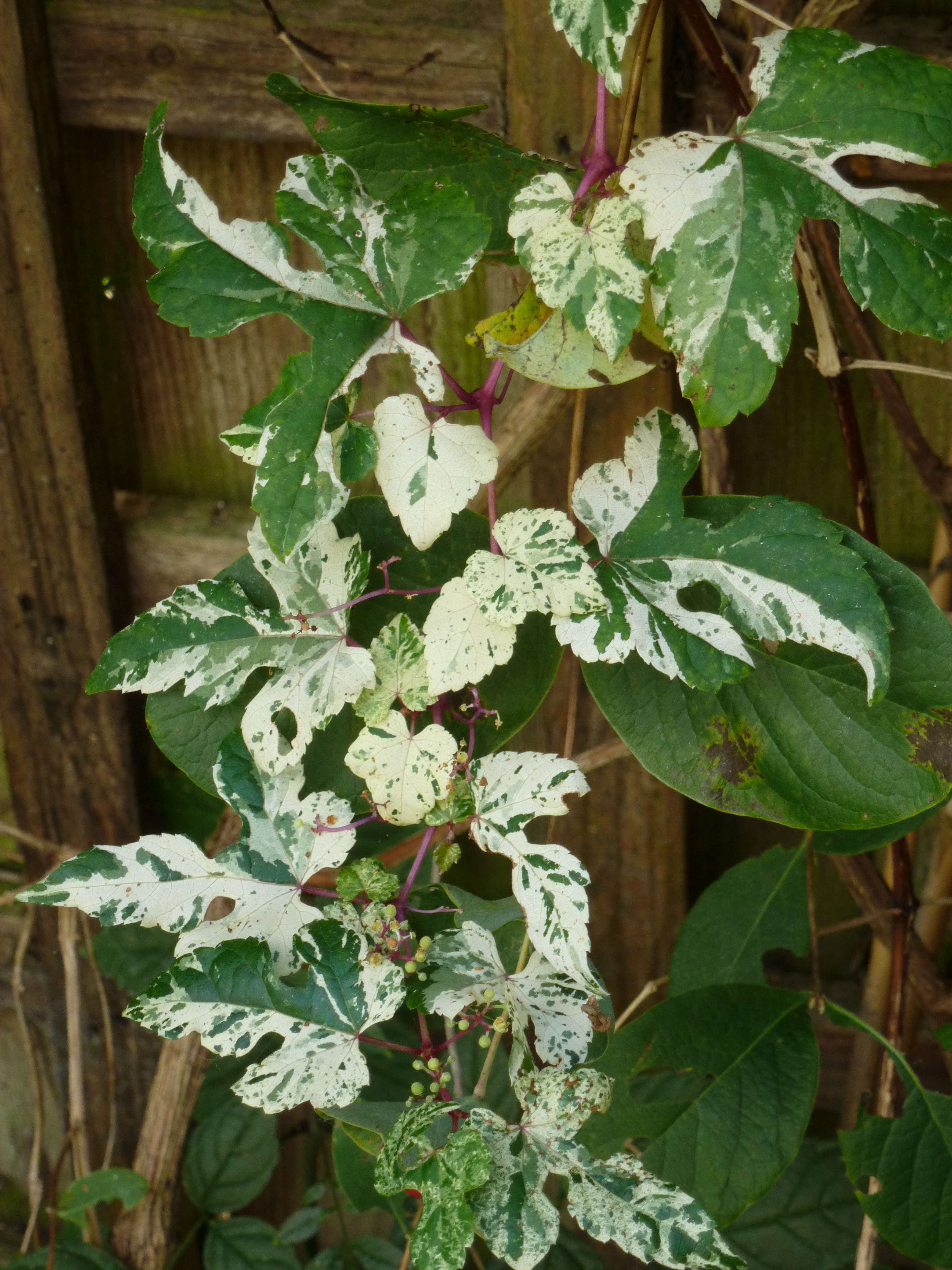
Amongst all the hotter colours of autumn, there are also some wonderful pinks which make a quiet appearance in my garden at this moment in time, particularly an unusual climber, (more often known as a house plant, but perfectly hardy in my garden, surviving many very hard winters) the ‘porcelain berry’ (Ampelopsis brevipedunculata ‘Elegans’). The leaves are very striking combined with the delicate pink of the stems. If the birds leave them it is possible to see the tiny berries (just appearing here) turn a striking metallic purple-blue.
Erigeron karvinskianus ‘Profusion’ (Mexican daisy) is also wonderfully pink, as well as white, at this time of year, and is a stalwart plant flowering endlessly for all of the spring and summer and demanding nothing at all.
And let us not forget the incongruous jewel pinks of Nerines in September. I have never grown Nerines before, although I have often admired great clumps of them near my house – this year I finally got around to planting some. Sadly, I had to move them to a better spot, so I think true settling in will take until at least next Autumn, but still I have one flower – hurrah! The photograph doesn’t quite capture the true bubble-gum pink of the flower.
Blues are much rarer at this time of year, but I have two new ones in my garden this year which I am very pleased with.
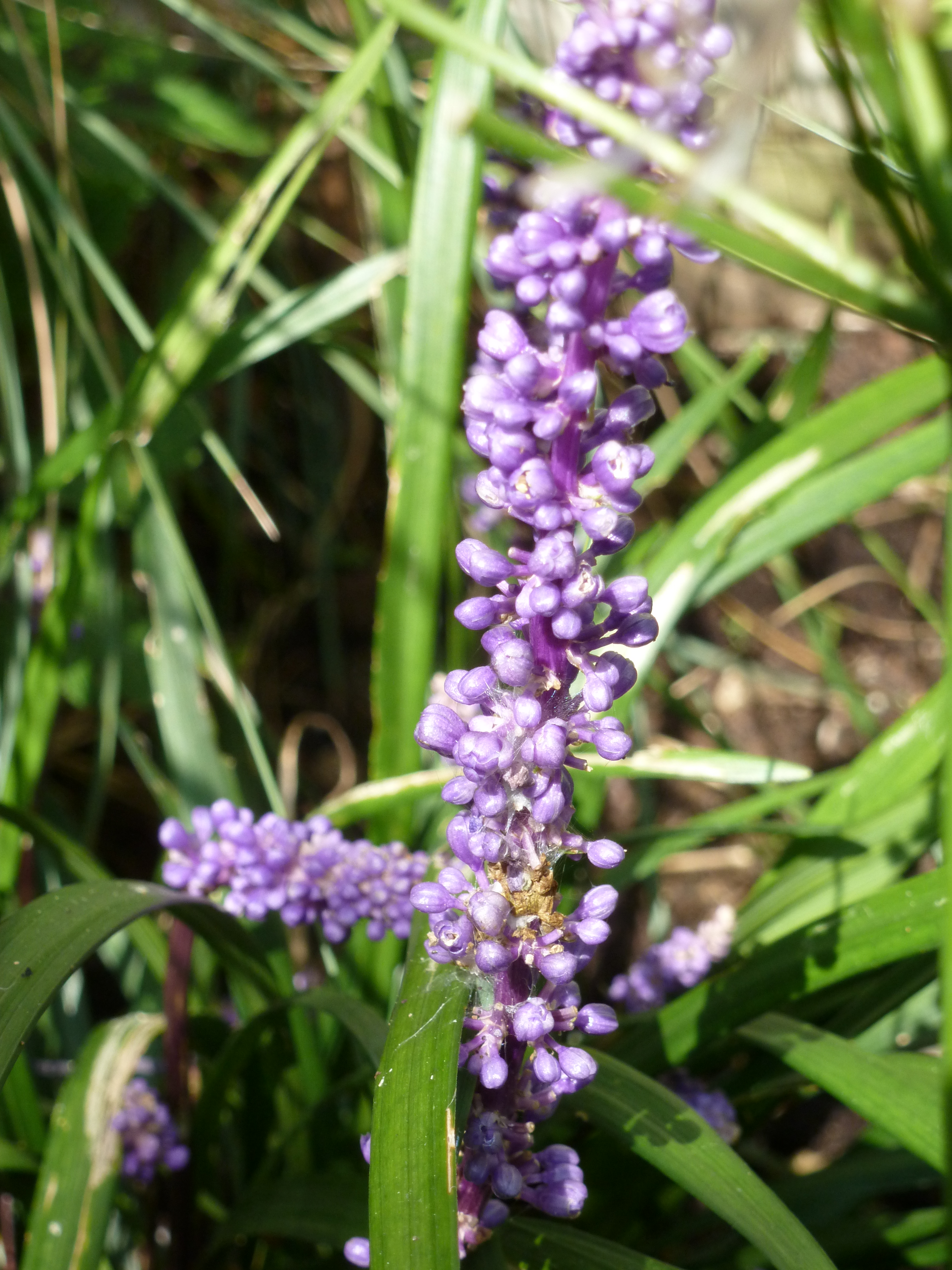
The first is Liriope muscari, a grass-like, low-growing, evergreen perennial, that produces these rather spectacular small lavender-blue flowers in September that look from high above like little jewellery beads on a stick, but on closer inspection are tiny flowers.
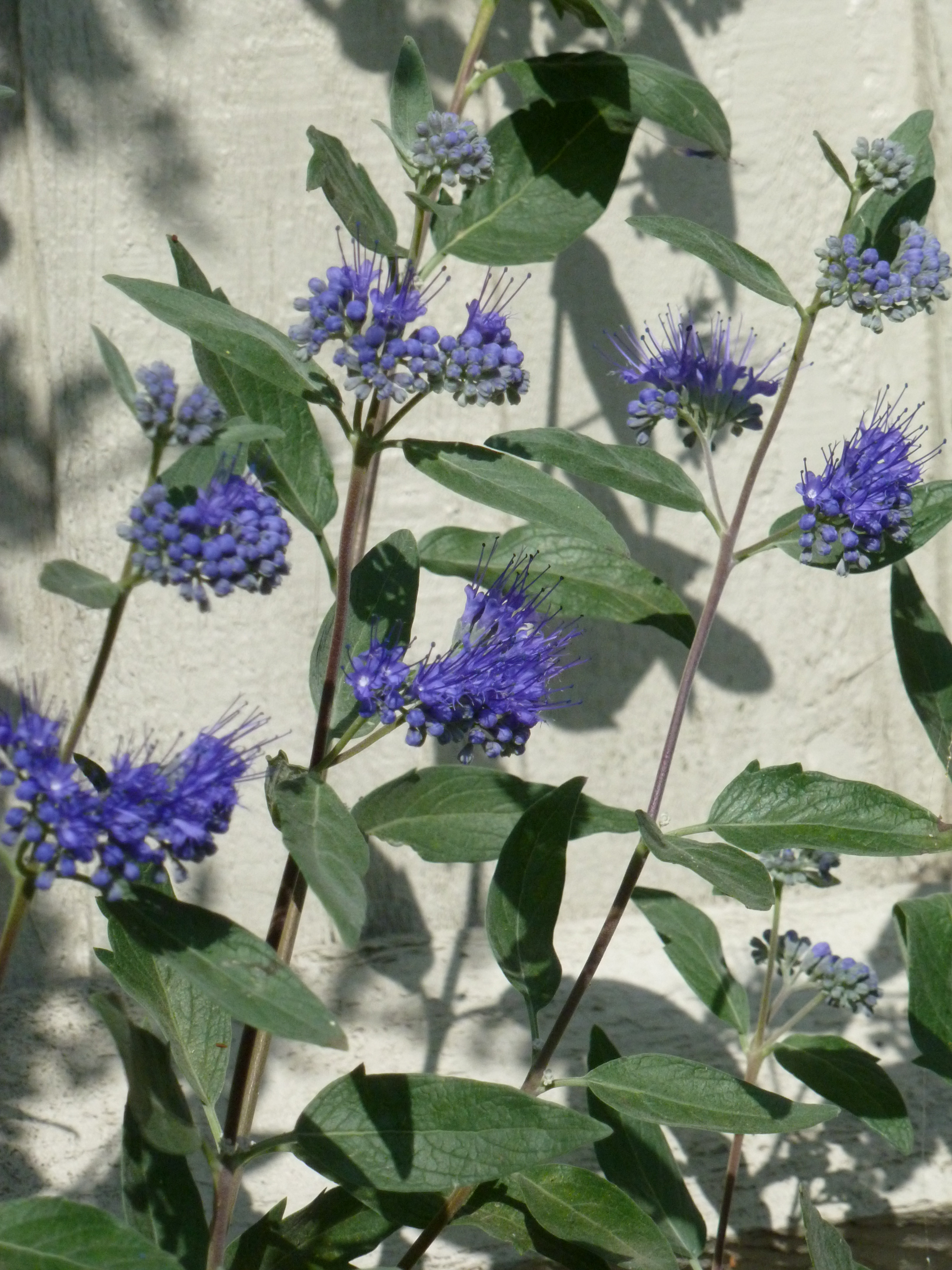
And the other blue star at the moment is Caryopteris x clandonensis ‘Dark Knight’, which I planted last autumn, after not growing this shrub for many years. This is a rather triumphant blue that has a powdery quality that sits well with the other autumn hues, and I am very pleased with it.
My Rosa Mutabilis is still flowering happily, after many months, its flowers starting yellow, then pink, then slowly turning to coppery pink.
And last but not least, no gardener can fail to spot all the spiders busily at work at this time of year, their webs a work of genius engineering and painstaking labour. This lovely garden spider had woven her web across the entire width of my garden outside my french windows – I just missed bumping into it by a hair’s breadth!



































 Ursula's Cambridge Garden